

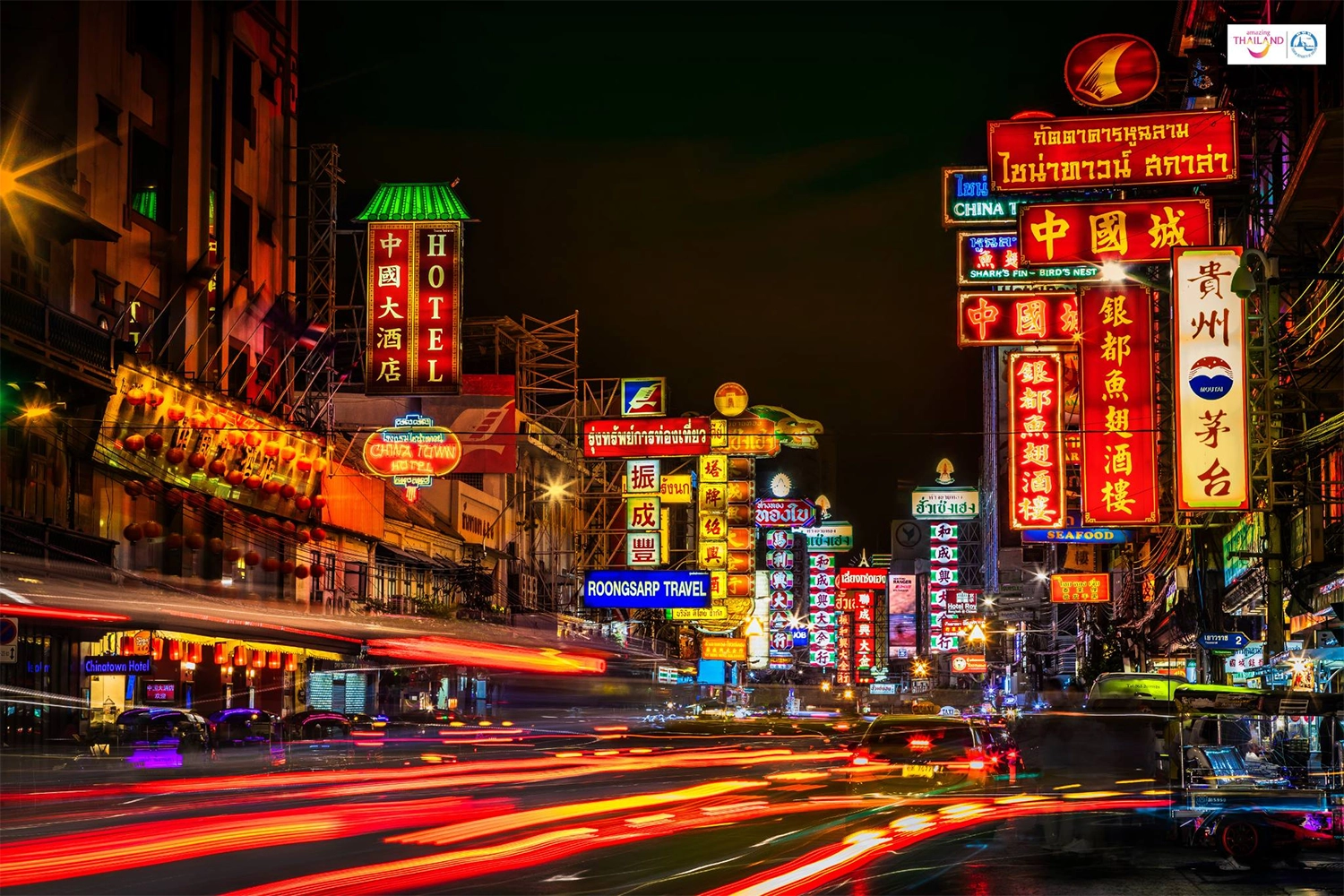
As Thailand and China mark 50 years of diplomatic relations in 2025, the milestone reaches far beyond politics—it’s a story that began centuries ago. From porcelain merchants and seafaring traders to master potters and noodle makers, Chinese settlers helped shape the very texture of Thai life, leaving traces in the nation’s cuisine, language, architecture, and celebrations.
Today, that legacy continues to thrive in neighbourhoods and hill villages where Chinese traditions blend seamlessly with Thai warmth. The start of the Chinese New Year season offers a perfect moment to rediscover these enduring ties—through ancient shrines, steaming bowls of noodles, and the rhythm of everyday life.
Here are five places where the shared heritage of Thailand and China still pulses with colour, flavour, and memory.
Phuket Old Town, Phuket
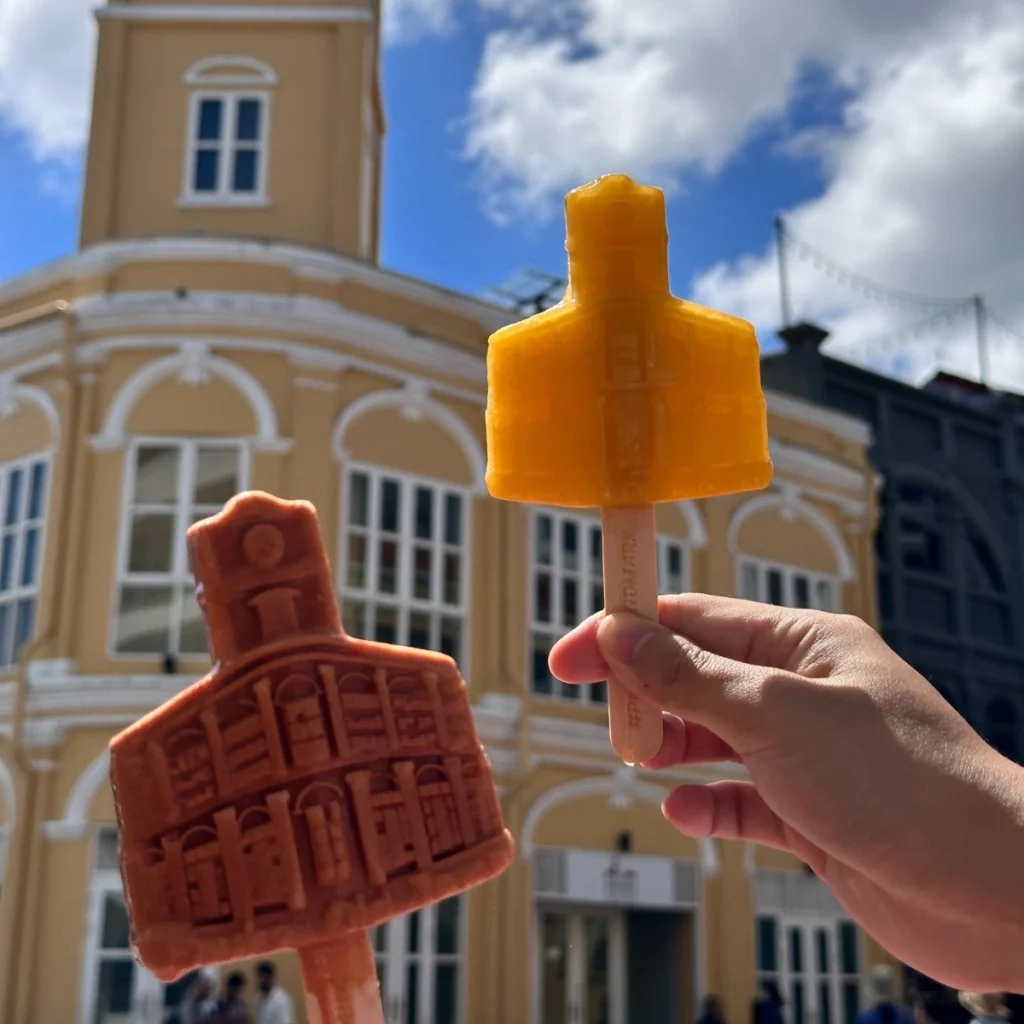
In Phuket’s historic quarter, pastel Sino-Portuguese shophouses recall a time when tin miners, Chinese merchants, and Peranakan families converged by the sea. Walk along Thalang and Dibuk Roads, where Chinese shrines and elegant mansions tell of fortunes won and lost.
Step into the Thai Hua Museum to learn about the island’s Chinese roots, then refuel with Baba-Nyonya dishes such as moo hong (braised pork belly) or mee Hokkien noodles.
Modern creativity now breathes fresh life into the town’s colonial façades—boutique cafés serve kopi coffee and coconut pudding, and night markets buzz with crafts and conversation. Whether admiring the ceramic tiles of a restored mansion or sipping coffee in a 19th-century shophouse, Phuket Old Town feels like a bridge between centuries.
Doi Mae Salong, Chiang Rai
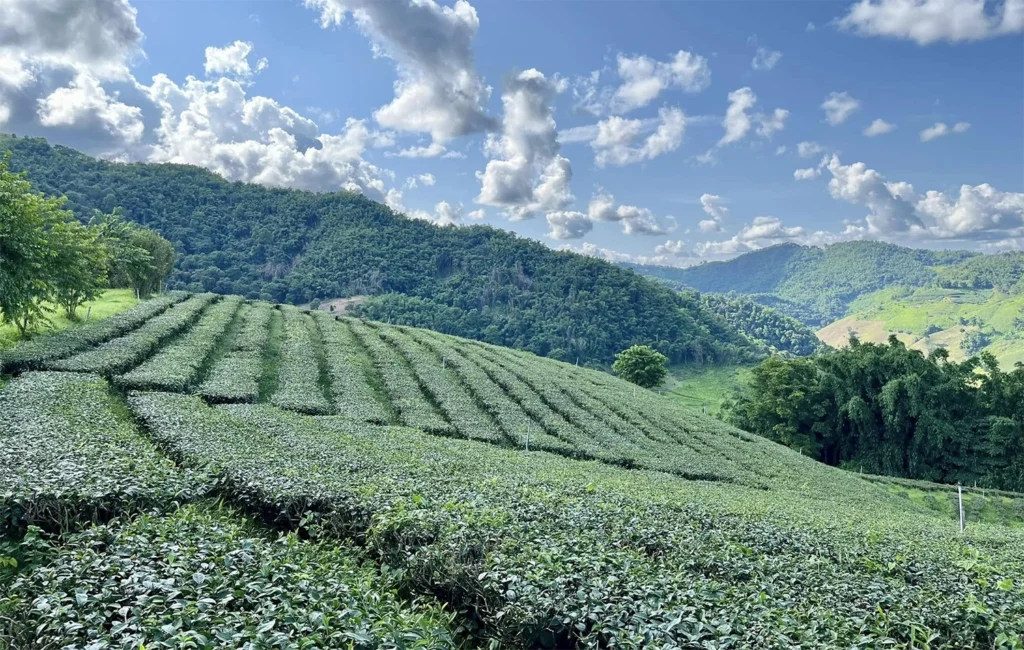
Perched among misty hills, Doi Mae Salong offers a quieter reflection of Chinese heritage. Founded by Yunnanese soldiers who fled China in the 1940s, the mountain village remains steeped in its ancestral culture.
Here, terraced tea plantations stretch across the slopes, producing some of Thailand’s finest oolong and green teas. Stop by a family-run teahouse to sample freshly brewed leaves with khao kha moo Yunnan—Yunnan-style braised pork—and admire panoramic views that roll into the clouds.
Markets brim with Chinese herbs, handmade teas, and fragrant spices, while temples capped with red and gold stand as silent witnesses to history. Doi Mae Salong is a place where you can sip tea, breathe mountain air, and feel time stretch like a long, quiet exhale.
Ban Chak Ngaew, Chon Buri
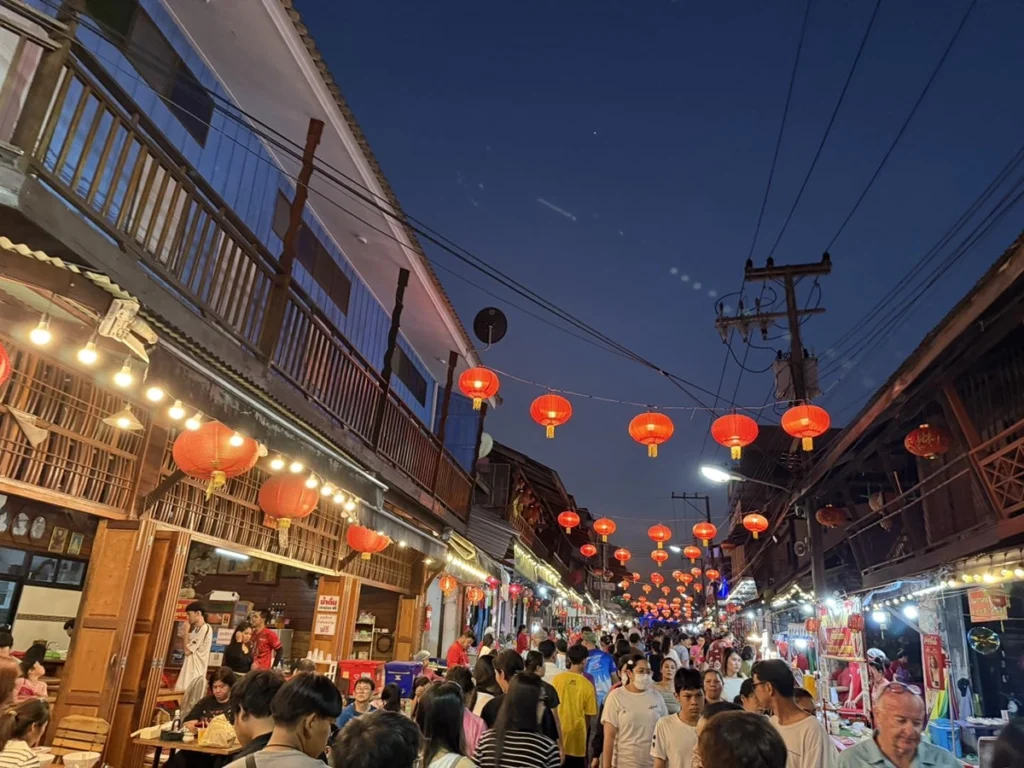
Less than two hours from Bangkok, Ban Chak Ngaew offers a glimpse of Thai-Chinese village life much as it was a century ago. Wooden shophouses and crimson shrines line its narrow streets, where generations of Teochew and Hokkien families have lived and worked side by side.
On Saturday evenings, the village comes alive with its beloved walking street market. The air fills with the scent of oyster omelettes, braised duck noodles, and herbal broths, while Chinese opera troupes and dragon dancers perform beneath strings of lanterns.
What might have been a sleepy hamlet on weekdays transforms into a living museum of sound, flavour, and festivity—a reminder that heritage is best experienced in motion.

Bangkok’s Chinatown (Yaowarat)
Nowhere captures the fusion of Thai and Chinese culture quite like Yaowarat, Bangkok’s storied Chinatown. Established in 1782, this maze of gold shops, shrines, and neon-lit eateries tells the story of migration and reinvention.
Begin in Sampheng Alley, a trading hub since the early Rattanakosin period, where merchants once sold silk, spices, and gold. Just beyond, Talat Noi exudes old-world charm—crumbling shophouses, murals, and family-run shrines whisper stories of the past.
Fuel your wanderings with a stop at Zongter, a tea-inspired café that bridges generations, or Ba Hao Tian Mi, where traditional Chinese desserts are given a modern twist. At The Mustang Blu, an atmospheric heritage building turned café, time seems to slow amid velvet drapes and vintage china.
And then, there’s the street food—crispy duck, hand-pulled noodles, glistening custard buns. Yaowarat’s culinary heritage remains one of Bangkok’s most irresistible invitations to eat history by the bite.
ARTS AND CULTURE
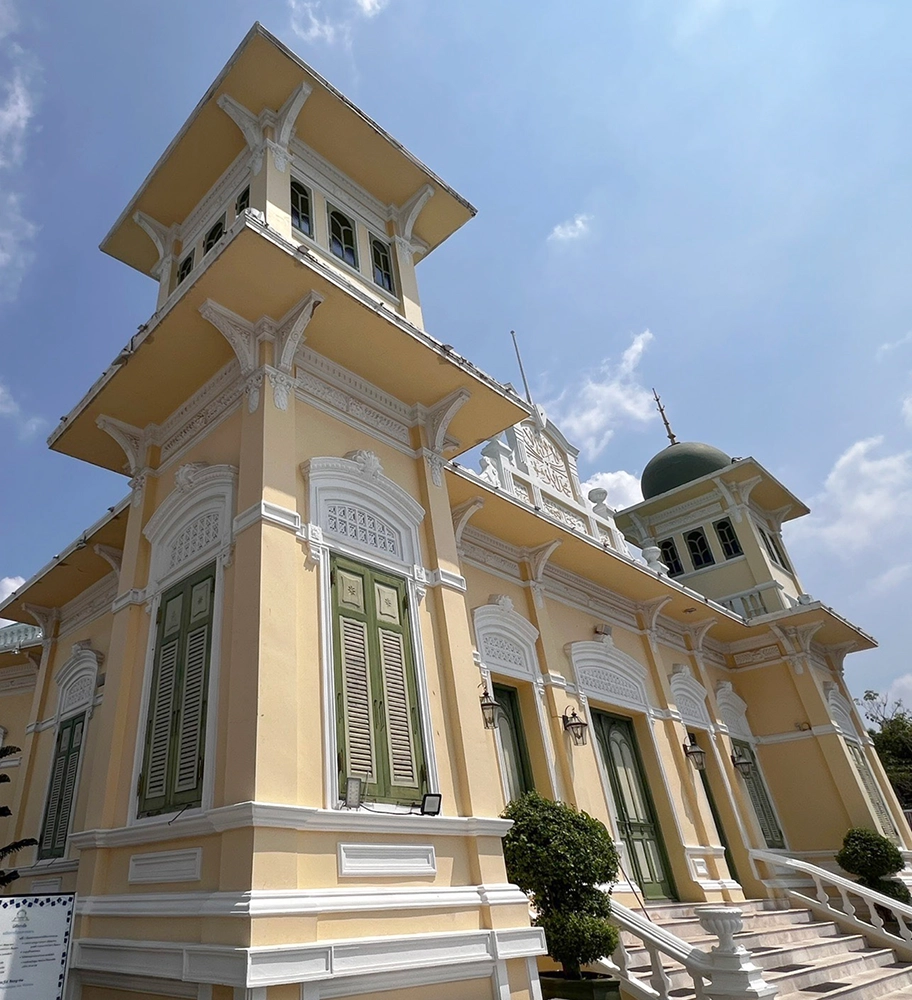
A Journey Through Bangkok’s Historic Mosques
Amid Bangkok’s shimmering skyline and gilded temple spires lies a lesser-known story: the city’s historic mosques—sacred spaces that whisper tales of migration, trade, and cultural exchange. Beyond their spiritual significance, these architectural gems stand as living chronicles of Bangkok’s diverse heritage, shaped by centuries of global influences.
>> Read more
Moo Ban Rak Thai, Mae Hong Son
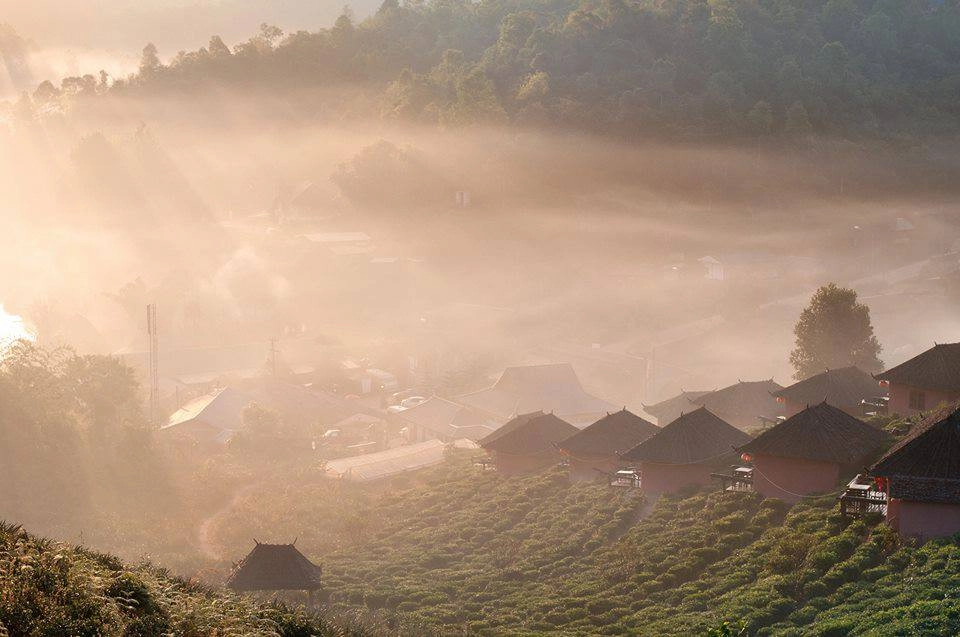
Hidden in the misty highlands near the Myanmar border, Moo Ban Rak Thai (literally “Thai Loving Village”) feels worlds away from modern Thailand. Founded by Yunnanese migrants, this lakeside hamlet blends Chinese architecture and mountain serenity with rare grace.
Here, mornings begin with mist drifting across tea-covered hills, and afternoons unfold over cups of Yunnan tea brewed in clay pots. Dine on local favourites like braised pork leg with mantou buns or delicate dumplings, best enjoyed by the water’s edge as lanterns flicker to life.
As twilight falls, the lake mirrors the glow of red lanterns and distant hills, turning the village into a tranquil dreamscape—a perfect closing note to a journey tracing centuries of shared Thai-Chinese stories.








[…] >> Read more […]
Comments are closed.