

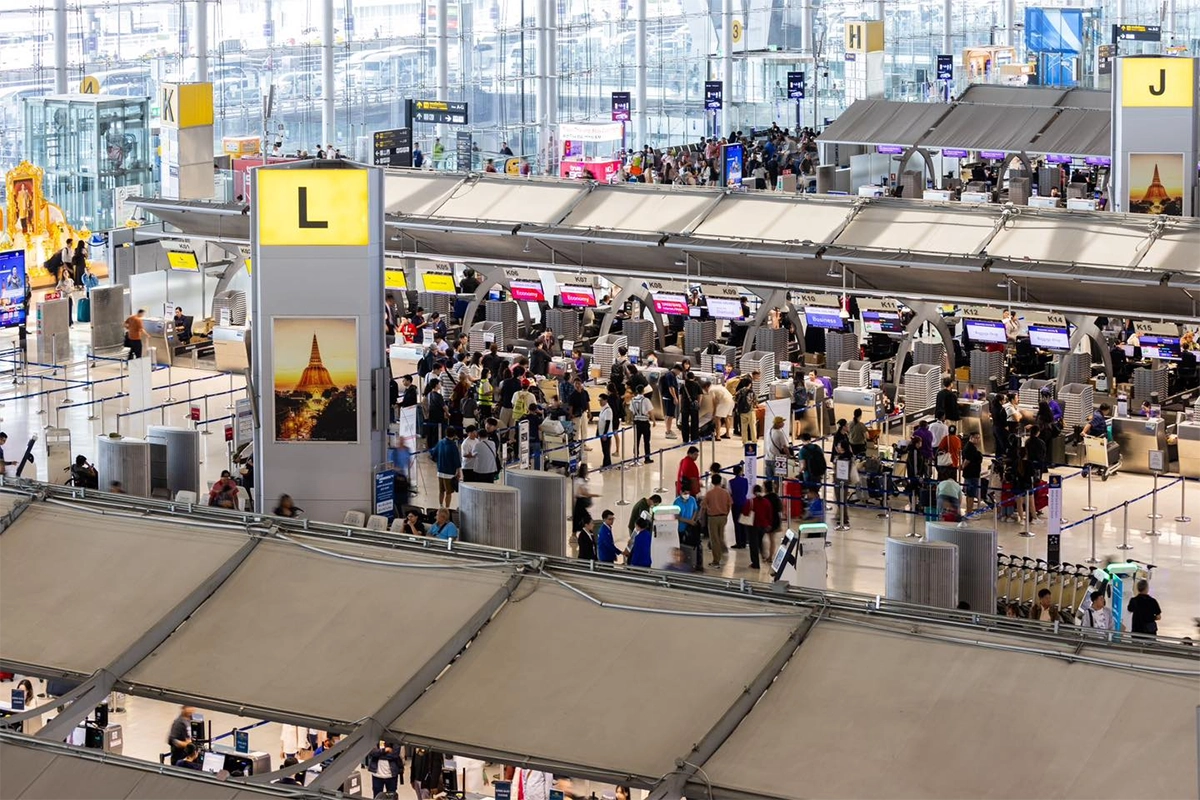
Thailand is preparing to scale back its widely applied 60-day visa-free entry scheme, as the government shifts its tourism strategy toward attracting higher-spending, long-stay visitors and tightening screening of arrivals.
Tourism and Sports Minister Surasak Phancharoenworakul said Wednesday that authorities are reviewing the temporary visa exemption policy and are likely to revoke the measure, which had been extended to travellers from all countries as part of a post-pandemic recovery push.
The policy allows visitors to enter Thailand without a visa for up to 60 days. It was introduced to stimulate tourism, a key driver of the Thai economy, but officials now say it has raised concerns about oversight and the ability to filter out what they describe as undesirable visitors.
Surasak said the government is considering adjustments to ensure appropriate screening mechanisms, adding that future policy would focus on attracting higher-quality tourists and encouraging longer stays.
The proposed changes would abolish the blanket 60-day visa-free arrangement and restore country-specific entry requirements. Authorities are also studying new visa frameworks tailored to different markets, alongside measures to extend the length of stay for certain categories of visitors.

BANGKOK
A Stroll Through Song Wat
Set in Bangkok Chinatown, Song Wat Road traces the city’s mercantile past along the Chao Phraya River. Once a thriving spice trading hub, it now pairs centuries-old shrines and warehouses with contemporary galleries, acclaimed dining rooms and discreet cafés, offering one of Bangkok’s most compelling neighbourhood walks.
>> Read more
Officials say the shift is intended to boost tourism revenue by encouraging travellers to spend more time — and money — in the country, rather than relying on short-term arrivals.
The review follows an assessment by the Ministry of Foreign Affairs, security agencies and the tourism ministry, which concluded that the current scheme should be reconsidered after a trial period. The findings highlighted the need for more targeted controls and a closer alignment between visa policy and long-term economic goals.
The proposal is expected to be submitted to Thailand’s Cabinet in the coming weeks. Any change would require revising an earlier Cabinet resolution that approved the temporary visa waiver.
Thailand has in recent years sought to reposition its tourism industry around sustainability and higher-value segments, including retirees, remote workers and investors. Officials say expanding long-stay options is a key part of that strategy.
Tourism remains one of Thailand’s largest economic sectors, and the outcome of the visa review could signal a shift away from mass-market incentives toward a more selective approach to international travel.










[…] >> Read more […]
Comments are closed.