
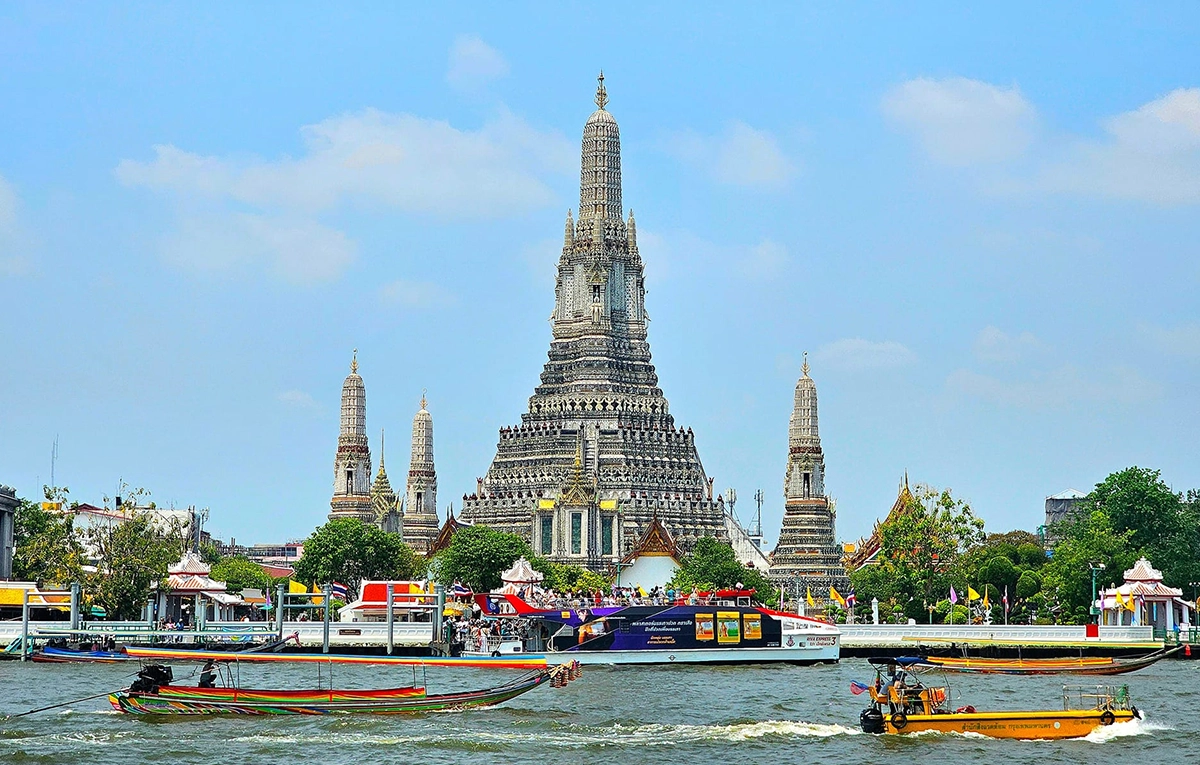
Visitors to Bangkok can take a more measured approach to the Songkran Festival this year, trading the city’s high-velocity street revelry for a slower drift along the Chao Phraya River.
From April 13 to 15, the Bangkok Water Festival 2026 will once again offer free boat services linking a constellation of historic temples, shrines and riverfront enclaves—part pilgrimage, part promenade—under the theme “River Culture, Thai Way of Life.” Now in its 11th edition, the event reframes Songkran not only as a water fight, but as a cultural passage through the capital’s older quarters.
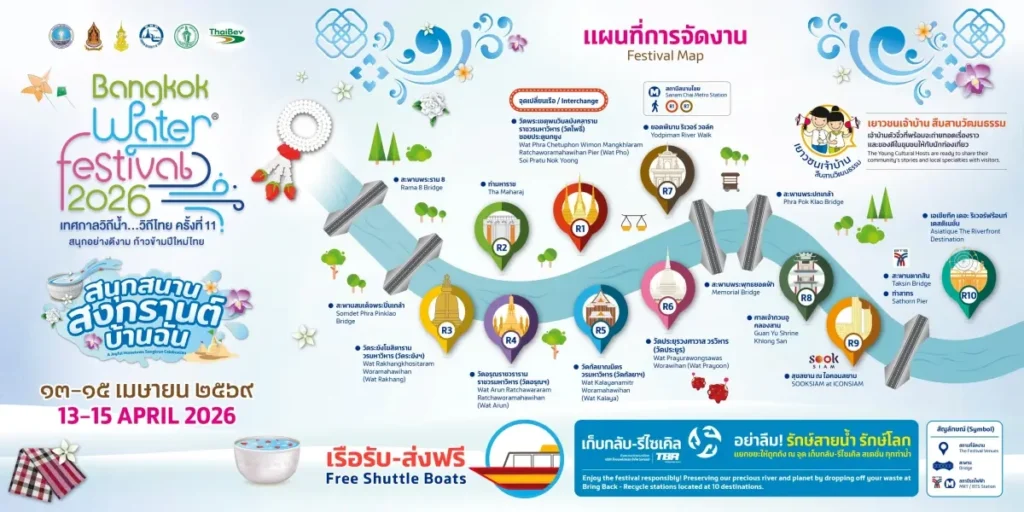
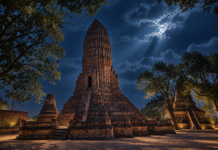
Two looping routes allow visitors to board at will and move fluidly between sites. The first, operating from 9 a.m. to 4:30 p.m., traces a line of significant temples on both banks of the river, including Wat Rakhang, Wat Arun, Wat Kalayanamit and Wat Prayurawongsawat, before continuing to Yodpiman and concluding at Wat Pho, near a narrow alley known as Pratu Nokyung.
SONGKRAN FESTIVAL
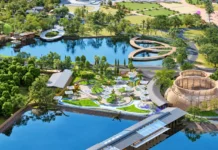
Bangkok Moves Songkran Into the Parks
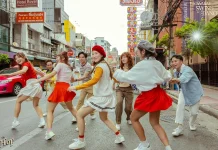
For years, Songkran in Bangkok unfolded along a predictable axis. The chaos of Khao San Road—where water guns, buckets and crowds turned the street into a days-long party—was balanced by quieter rituals at Sanam Luang. It was exuberant and devotional at once, a festival that managed to hold both spectacle and tradition in tension.
>> Read more
A second route, running from 10 a.m. to 5:30 p.m., begins and ends at Wat Pho Pier, crossing the river to a mix of heritage and contemporary stops, including the riverside complex at ICONSIAM and the longstanding Kuan Yu Shrine.
Travelers can transfer between routes at Wat Pho, turning the network into a loosely choreographed circuit. The effect is less about efficiency than atmosphere: a way to encounter Bangkok by water, where temple spires, ferry wakes and the rhythms of daily life still define the city’s edge.
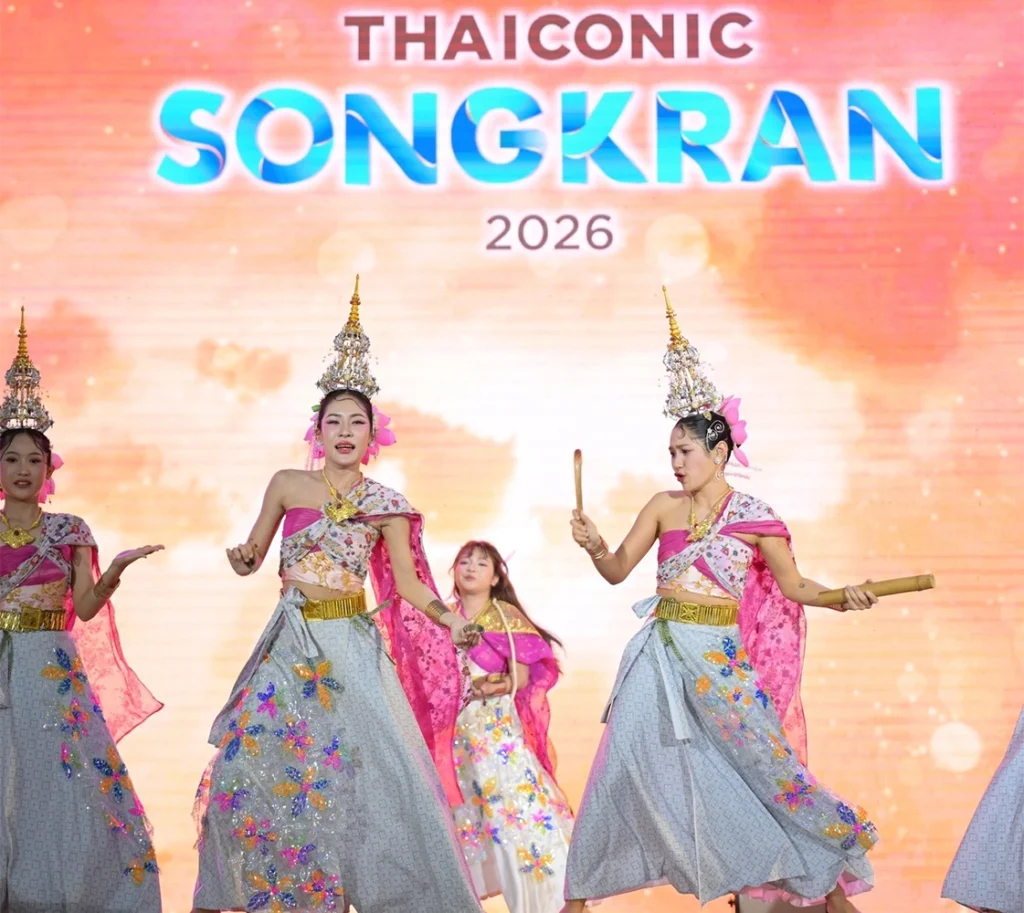
The Bangkok Water Festival, held from April 13 to 15, returns for its 11th edition, recasting the Songkran Festival as a more reflective passage along the Chao Phraya River.
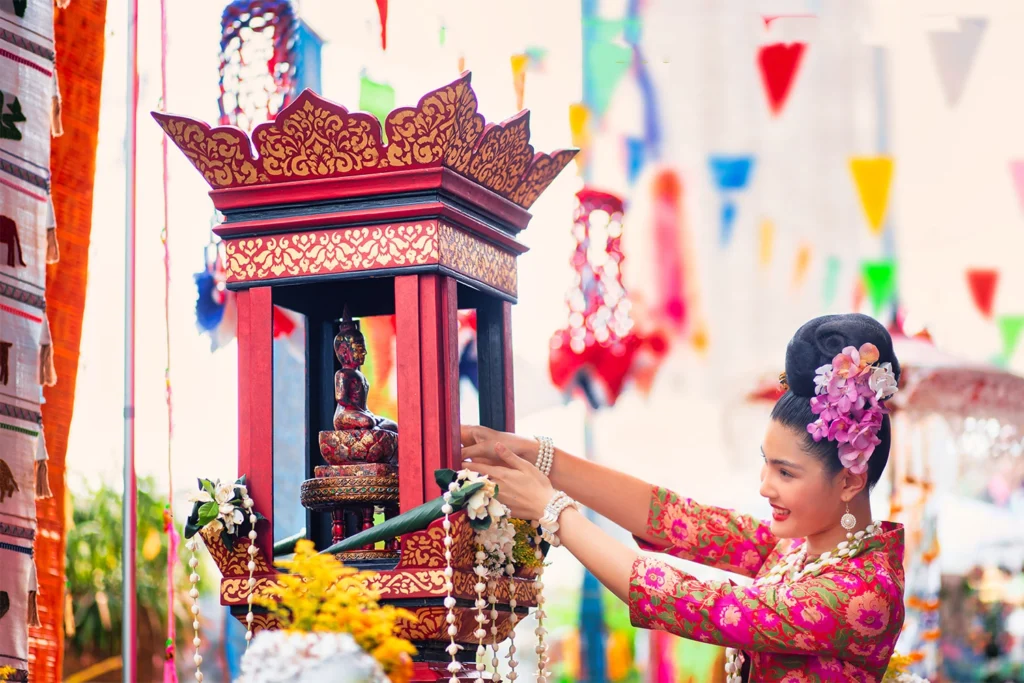
Framed around the theme “River Culture, Thai Way of Life,” the event invites visitors to move between celebration and ritual: water splashing gives way to the quieter practice of bathing Buddha images, making merit and pausing at temple grounds that have long anchored the city’s spiritual life.
Across a network of five contemporary riverfront stops—including SOOKSIAM at ICONSIAM and Asiatique The Riverfront Destination—local communities set out a changing tableau of food, craft and small-scale commerce, offering a more grounded counterpoint to the capital’s larger festivities.
The festival also draws visitors toward five royal temples, among them Wat Pho and Wat Arun, where the act of paying respects remains central. In these spaces, Songkran’s meaning shifts subtly—from exuberance to continuity—carried forward by water, ritual and the rhythms of the river.