
On the banks of the Chao Phraya River, where Bangkok’s skyline fades into temple spires and steady river traffic, a century-old riverside residence has entered a new culinary chapter. Baan Phraya, long associated with refined Thai home cooking and gracious hospitality, has reopened as a dining room that looks to the present while remaining grounded in its past.
The house was once the residence of Phraya Mahai Savan and Khunying Luean Mahai Savan, and in its early years was known for intimate gatherings of Thai nobility and visiting dignitaries. Meals were presented as expressions of welcome, shaped by generosity, conversation and careful craft. That ethos remains central to the house today.
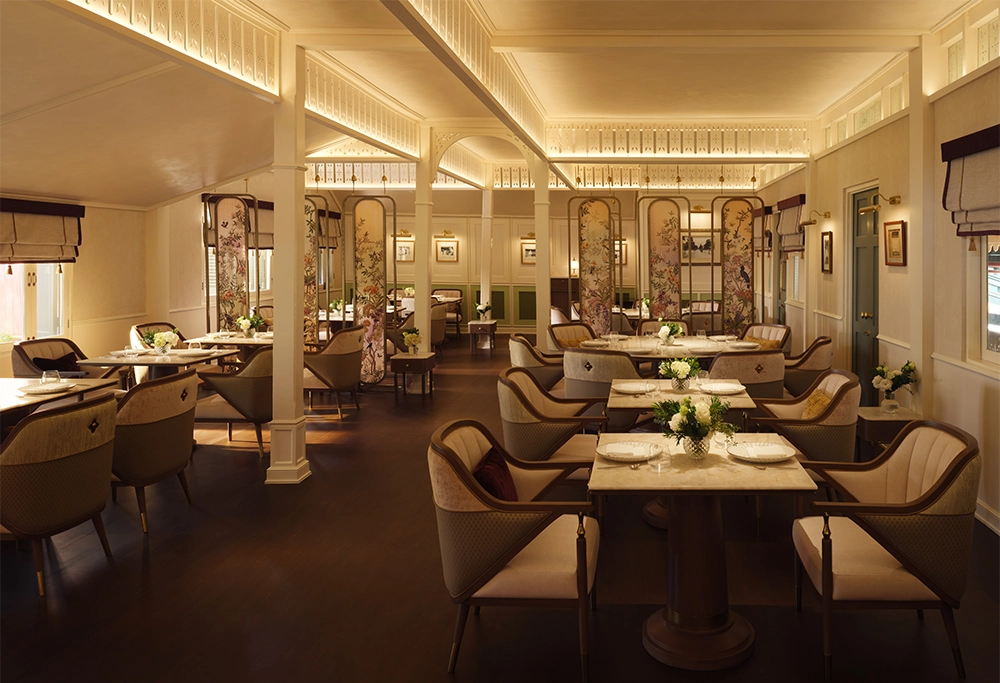
In 1986, several rooms were converted by Mandarin Oriental, Bangkok into Thailand’s first Thai Cooking School, a milestone that helped formalise and preserve traditional recipes and techniques at a time when much of the country’s culinary knowledge was still transmitted orally. The building has since been carefully restored and maintained. Its teakwood structure, ornate fretwork and architectural detailing from the reign of King Rama V remain intact, giving the space the feel of a preserved historic residence still in active use.
The current culinary direction is led by Chef Phatchara “Pom” Pirapak, who approaches Thai cuisine as an evolving tradition rather than a fixed canon. Her work is rooted in established techniques and regional cooking styles, but focuses on reinterpretation rather than reinvention. She also highlights dishes and methods that have become less common in contemporary restaurant culture, presenting them in a modern fine-dining context.
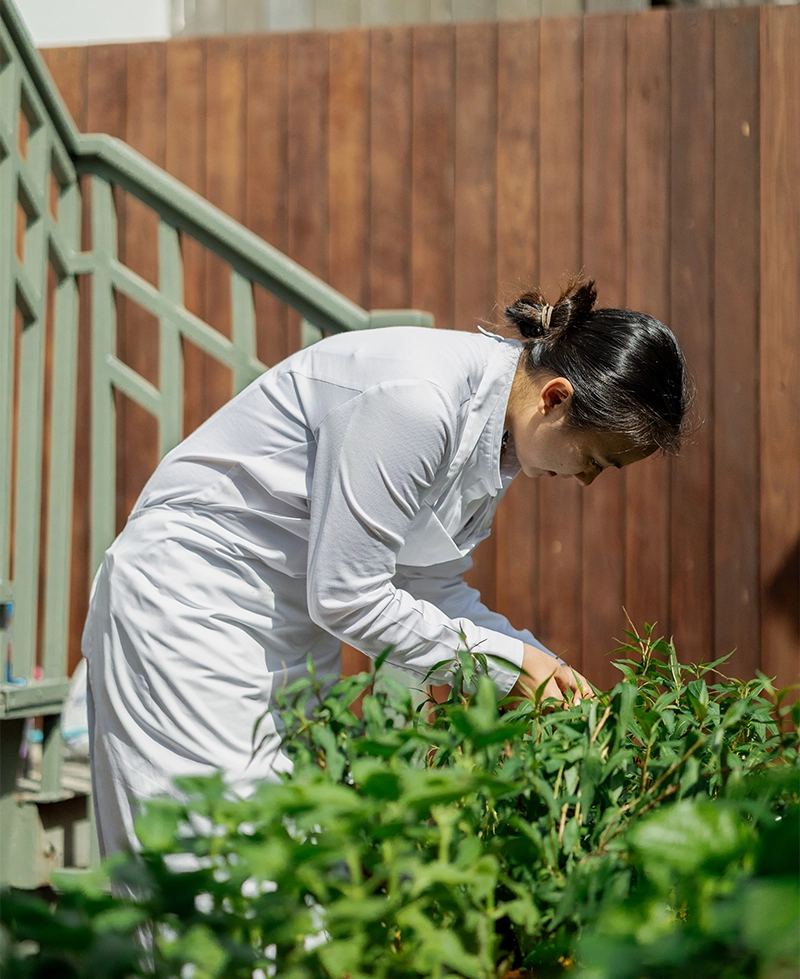
Traditional methods remain central in her kitchen, including charcoal grilling, mortar pounding and hand-shaped elements such as dok jok biscuits. Dishes are developed with attention to what she describes as a complete sensory arc, from appearance and aroma to taste and emotional response. Ingredients are sourced from across Thailand, including northern highland farms near Chiang Mai and southern coastal producers, along with herbs grown in a small organic garden at the residence.
ARTS AND CULTURE
A Journey Through Bangkok’s Historic Mosques
Amid Bangkok’s shimmering skyline and gilded temple spires, a quieter narrative unfolds in its
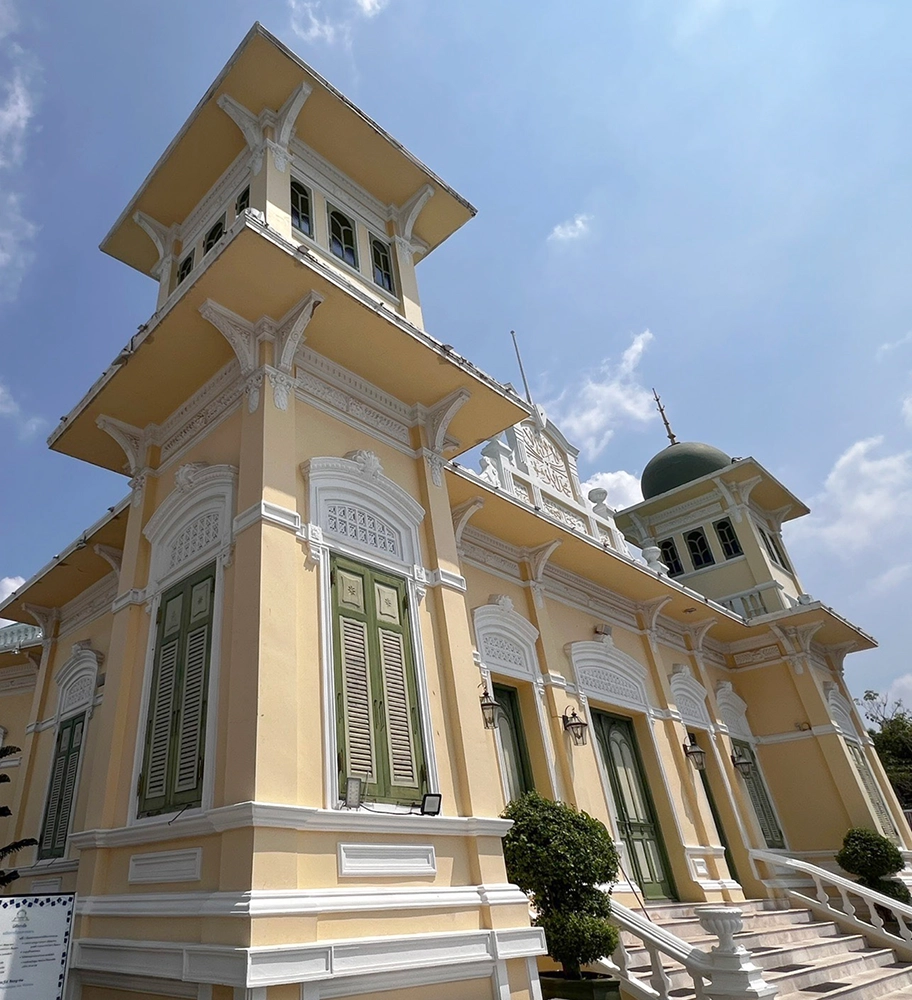
historic mosques—sacred spaces shaped by centuries of migration, trade, and cultural exchange. Beyond their spiritual role, these architectural landmarks stand as living records of the city’s layered, cosmopolitan heritage.
>> Read more
One example is a reworked Tom Kha, in which squid from Prachuap Khiri Khan is stuffed with young coconut, grilled over charcoal and served in a galangal-based broth infused with garden herbs. The dish retains its familiar structure while introducing smoke, citrus and herbal depth.
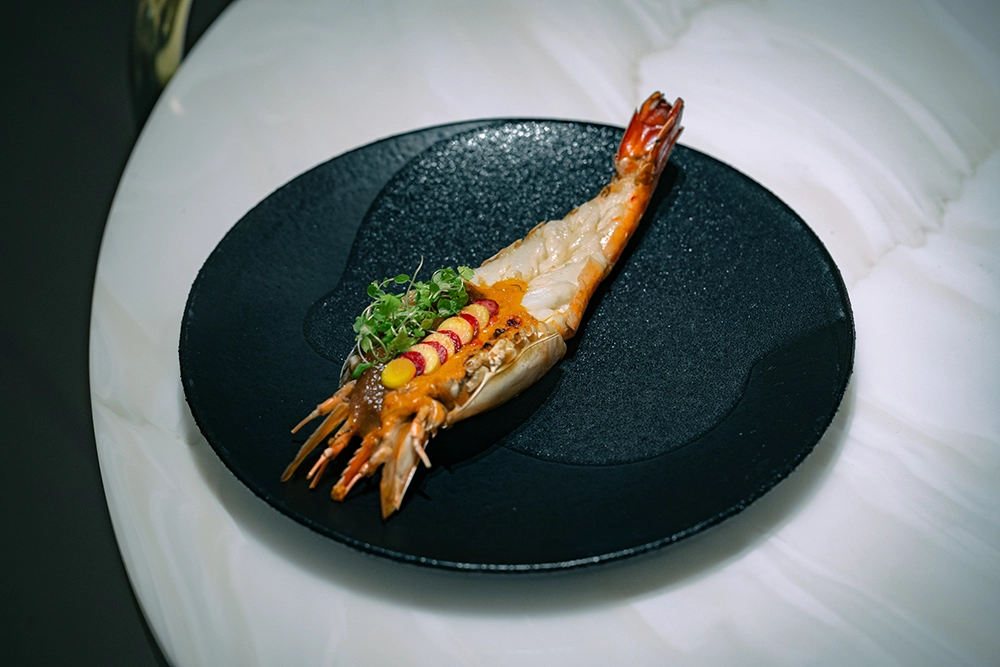
Another dish features Surat Thani river prawn, split and grilled to enhance its natural sweetness, served with tamarind-chilli sauce and a rich tomalley reduction. Pickled watermelon rind, coloured with turmeric and roselle, adds acidity and balance.
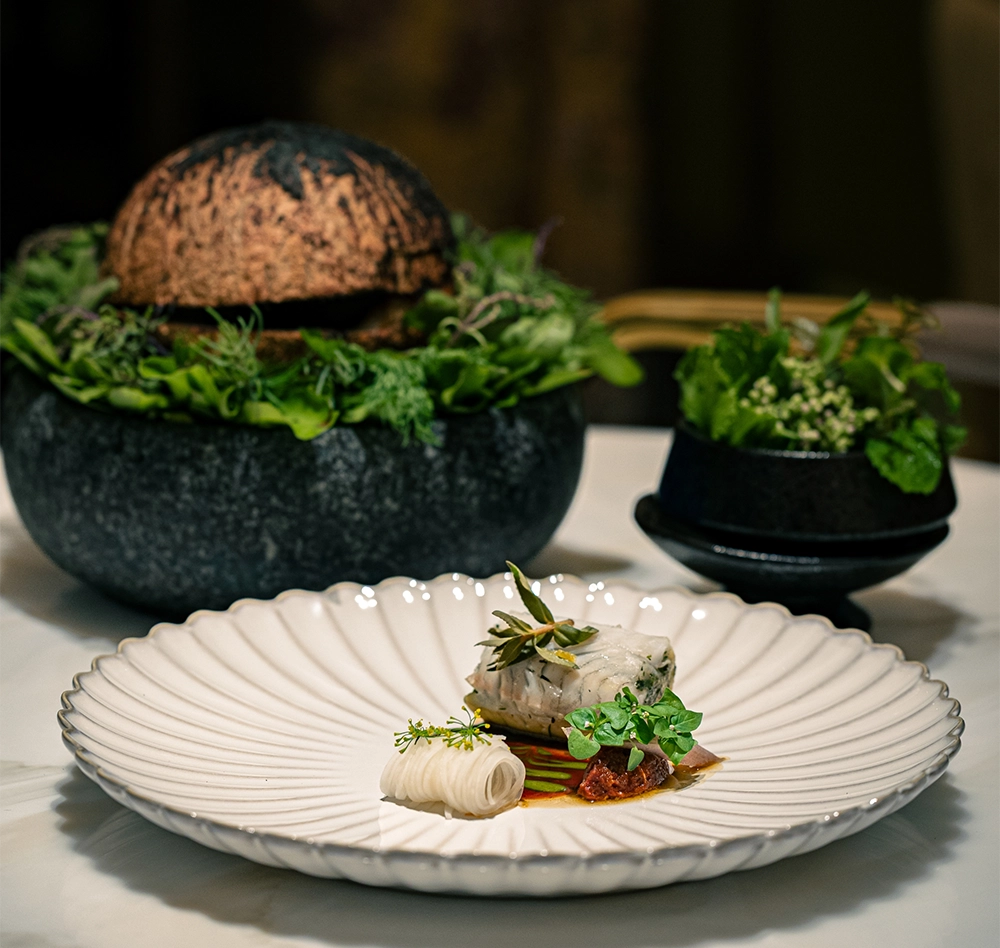
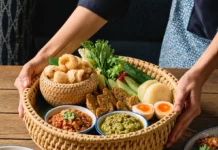
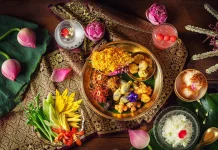
The experience begins on a terrace overlooking the river, where small bites are served with kombucha before guests move inside. Mha Hor combines pineapple, caramelised pickled radish and roasted peanuts, while Thai honeycomb biscuits (khanom dok jok) are flavoured with somsa and paired with tamarind-chilli paste. A light palate cleanser of vine leaves with roasted rice and coriander follows.
Inside, the restored house retains its original architectural character. Teakwood detailing and period features frame the dining space, while references to the Vanda orchid—drawn from historical writings linked to the residence—connect the design to Thai botanical heritage.
Baan Phraya offers two tasting menus, a six-course option priced at 3,400 baht (about $95) and an eight-course menu at 3,800 baht (about $105). Both follow a structured progression from lighter opening bites to more elaborate regional dishes. Highlights include marinated goby fish grilled in a coconut shell, Khao Yai duck served in green curry with sour grape and heart of palm, and squid Tom Kha. The longer menu adds dishes such as pressed watermelon with Nakhon Pathom bitter orange and grilled river prawns with young tamarind chilli paste.
Rather than presenting itself as a revival, Baan Phraya functions as a continuation of its original role: a place where Thai cuisine is prepared, shared and studied through technique and attention to detail. In a city often driven by culinary novelty, it instead draws on memory, craft and restraint.
Along the river, heritage is not staged as backdrop. It is actively maintained—one carefully composed plate at a time.
Opening Details
Dinner: 6 p.m.– 11 p.m. (last order 9 p.m.)
Friday–Tuesday
Reservations & Information
Tel: +66 (0) 2 659 9000
Email: mobkk-baanphraya@mohg.com
Website: www.mandarinoriental.com/en/bangkok/chao-phraya-river/dine/baan-phraya
Instagram: @BaanPhraya.BKK