
At the edge of Chiang Mai University, shaded roads wind beneath old trees while student life hums quietly in the background. Here, the Lanna Traditional House Museum offers a different rhythm of Chiang Mai. Time seems to move more slowly.
This is a city often experienced through night markets, trendy cafés and boutique hotels. But the museum invites visitors to look elsewhere — toward timber beams, bamboo walls and the quiet architecture of memory.
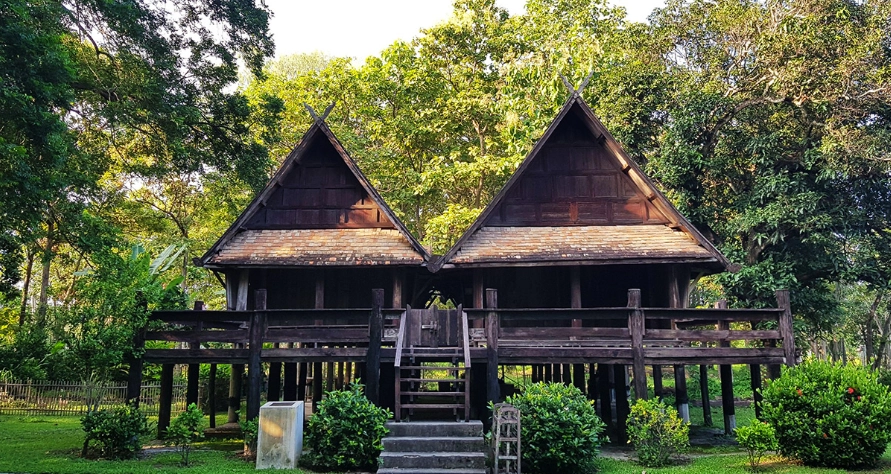
Tucked inside the university’s Center for the Promotion of Arts and Culture, this open-air museum gathers 10 traditional Lanna houses and four rice granaries relocated from across northern Thailand and rebuilt piece by piece. Together, they form more than an architectural collection. They tell the story of how people in the old Lanna kingdom lived, worked and adapted to climate, status and changing times.
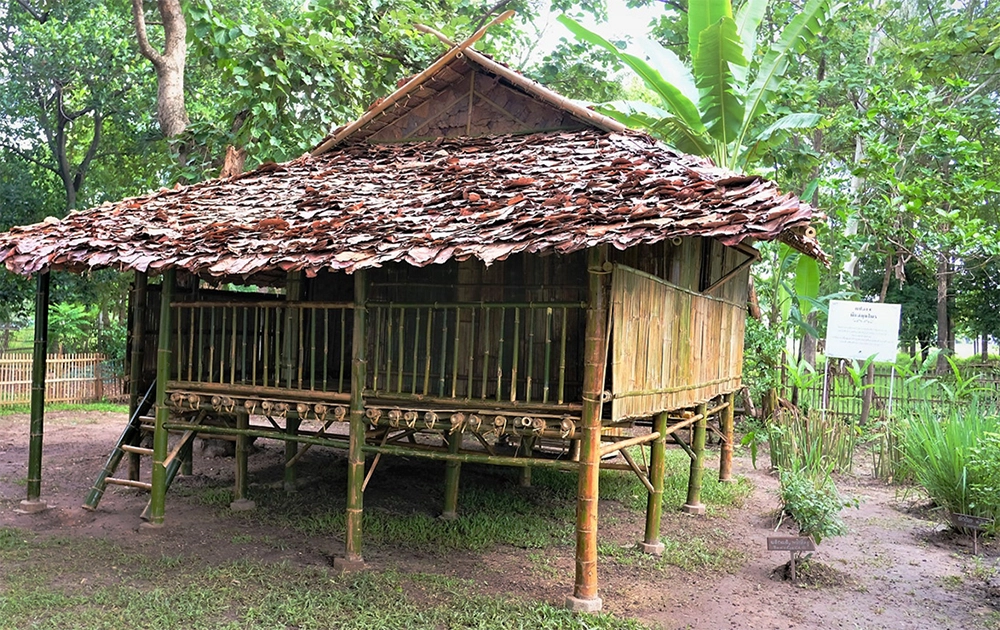
The smallest house is among the most revealing. Known as Ruean Krueng Phook, or the tied-bamboo house, it was once the typical first home of newly married couples. Built entirely from split bamboo bound with rattan strips, it is modest, lightweight and quick to assemble — practical housing for a couple just beginning their life together.
Temporary by design, the house reflects both economic reality and quiet optimism: a starter home before something more permanent could be built. There is tenderness in its simplicity, a kind of vernacular romance embedded in bamboo and rope.
Elsewhere, wealth announces itself through hardwood, scale and craftsmanship. The Phaya Ponglanka House, built in 1896 for a prominent Chiang Mai family, represents Lanna architecture at its most refined. Raised high on sturdy pillars and roofed with traditional clay tiles, the house is arranged around distinct zones for sleeping, receiving guests and cooking.
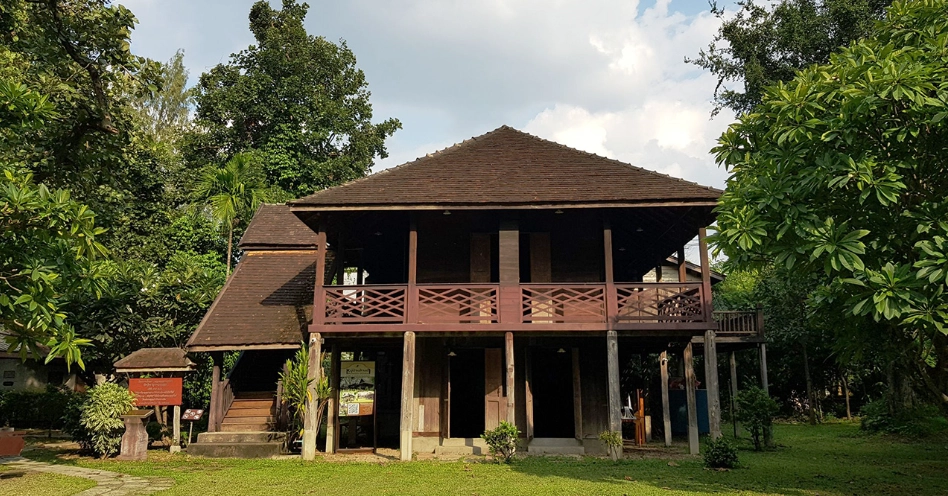
The design balances utility with grace. Open verandas blur the boundary between indoors and outdoors, allowing air and conversation to move freely.
As Chiang Mai entered the 20th century, architecture began to shift. Western influence arrived with missionaries, timber traders and government officials, bringing new forms and sensibilities. Hipped roofs, wraparound verandas and upper-floor balconies began appearing in elite homes, creating hybrids that blended Lanna traditions with colonial aesthetics.
HOTELS
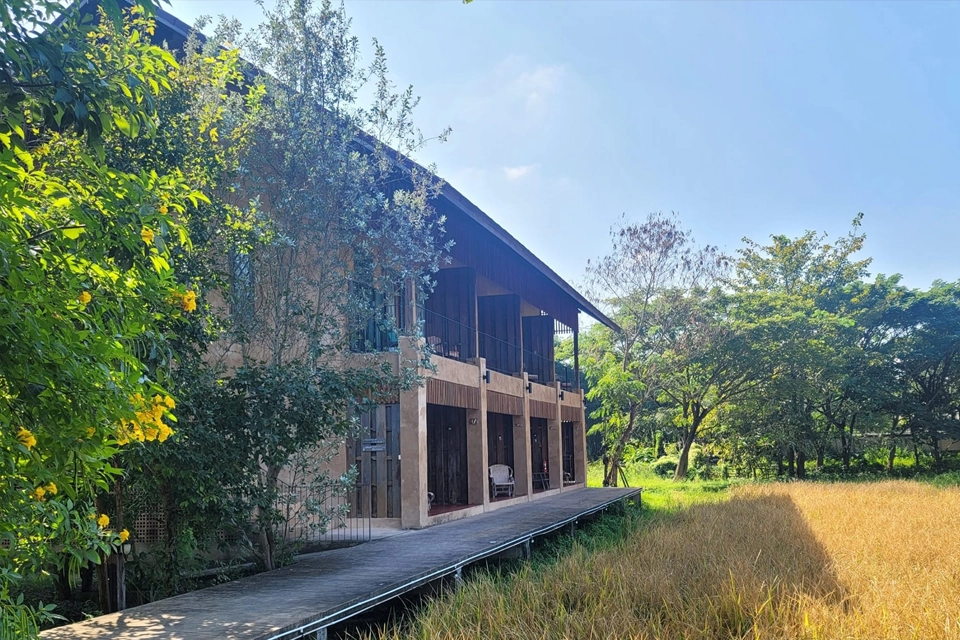
Find Peace at Phu-Anna Eco House
Nestled amidst the verdant rice fields of Chiang Mai’s Hod district, Phu-Anna Eco House offers travellers a tranquil escape harmonised with the untouched beauty of its surroundings.
>> Read more
That evolution is especially visible in the Anusarnsunthorn House, built in 1924 for a doctor and businessman on what is now bustling Chang Klan Road. Part residence, part clinic and part commercial space, the house reflects a city in transition.
Its layout breaks with Lanna convention. Doorways align directly opposite each other — once considered inauspicious — and the traditional tern, or open veranda, is absent. Instead, the structure speaks of a modernising Chiang Mai, one still rooted in tradition but increasingly open to new ways of living.
What makes the museum compelling is that it does not feel embalmed by nostalgia. Artisans still visit to demonstrate wood carving, weaving and bamboo craft. Schoolchildren pass through. Workshops and cultural programmes keep the site active.
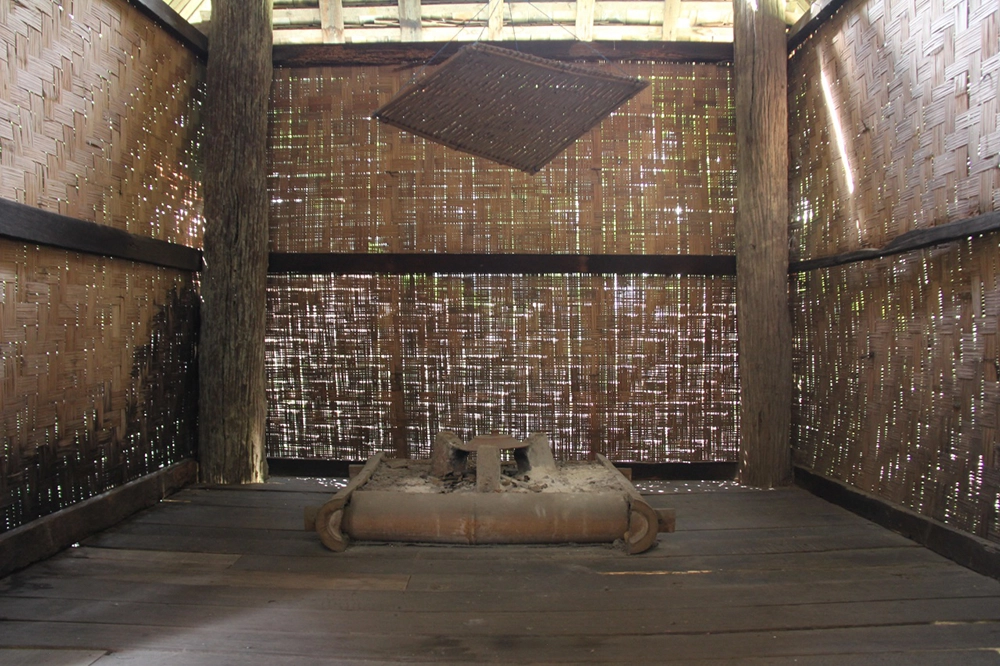
Spend enough time here and details begin to matter: the worn sheen of teak floorboards, the cool shade beneath a raised house, the way light filters through woven bamboo walls. You begin to understand that heritage is not found only in temple spires or royal chronicles.
Sometimes it lives in the angle of a staircase, the curve of a roof tile or the hush of a shaded veranda.
In a city increasingly defined by reinvention, the museum offers something quieter — a reminder that Chiang Mai’s future still rests, in part, on the wisdom of its past.
If You Go
Where: Center for the Promotion of Arts and Culture, Chiang Mai University
Hours: Monday–Friday, 8:30 a.m.–4:30 p.m. (closed weekends and public holidays)
Admission: Free (donations welcome)
Tip: Join a guided tour if available; the stories behind each house deepen the experience.