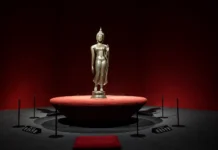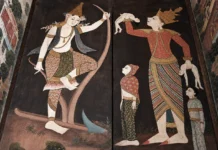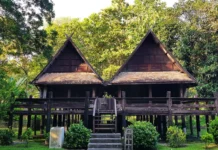

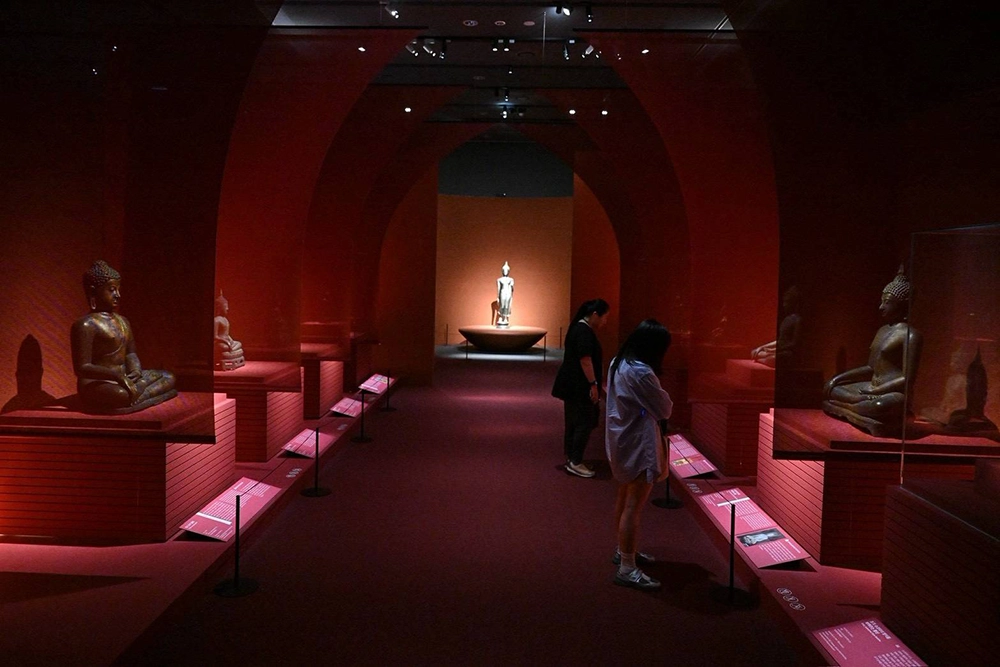
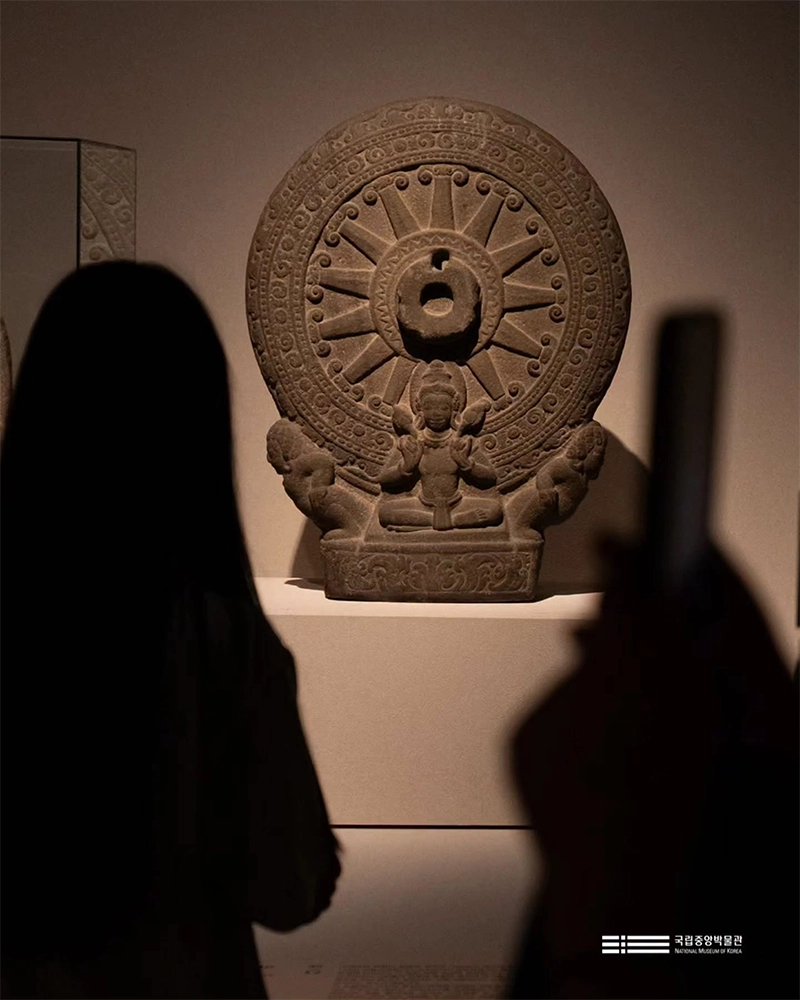
The first thing visitors encounter is stone. Not just any stone, but one carved more than a thousand years ago with scenes from the life of the Buddha, shaped by artisans whose names have long disappeared but whose work still speaks across centuries. Nearby stands a graceful image of Avalokitesvara, the Bodhisattva of Compassion, while a sandstone Wheel of the Dharma recalls the spread of Buddhism across mainland Southeast Asia.
Together, they form part of “Amazing Thailand: Masterpieces of Thai Art,” a landmark exhibition at the National Museum of Korea in Seoul that brings together 208 archaeological treasures and works of art from Thailand. Running through 6 September, the exhibition offers one of the most comprehensive introductions to Thailand’s artistic heritage ever presented in South Korea.
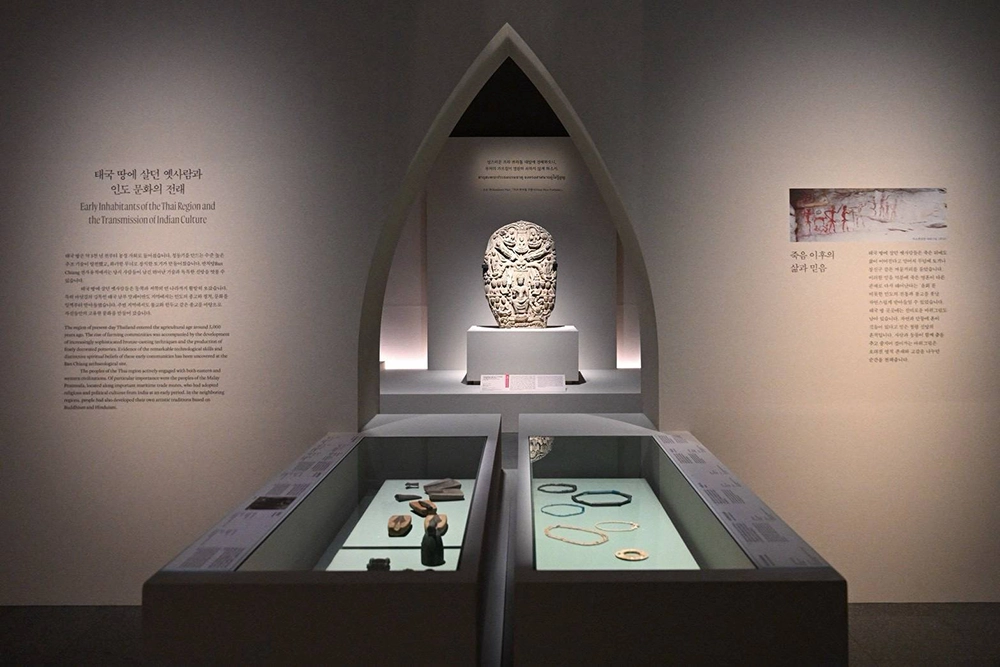
The exhibition traces nearly two millennia of artistic and religious development, revealing how ideas, beliefs and craftsmanship travelled across kingdoms long before the emergence of modern national borders. Sculptures from the Dvaravati period, Khmer-influenced masterpieces and Buddhist devotional objects together tell the story of a region shaped by commerce, pilgrimage and cultural exchange.
Among the exhibition’s highlights is the celebrated Twin Miracle relief from the Dvaravati period, a rare work illustrating one of Buddhism’s most revered episodes. Equally striking are a carved Sema stone depicting the Buddha receiving kusa grass from the Brahmin Sotthiya before Enlightenment, an ancient Dharmachakra, and an elegant eight-armed Avalokitesvara, each reflecting the diversity of Thailand’s Buddhist traditions and artistic schools.
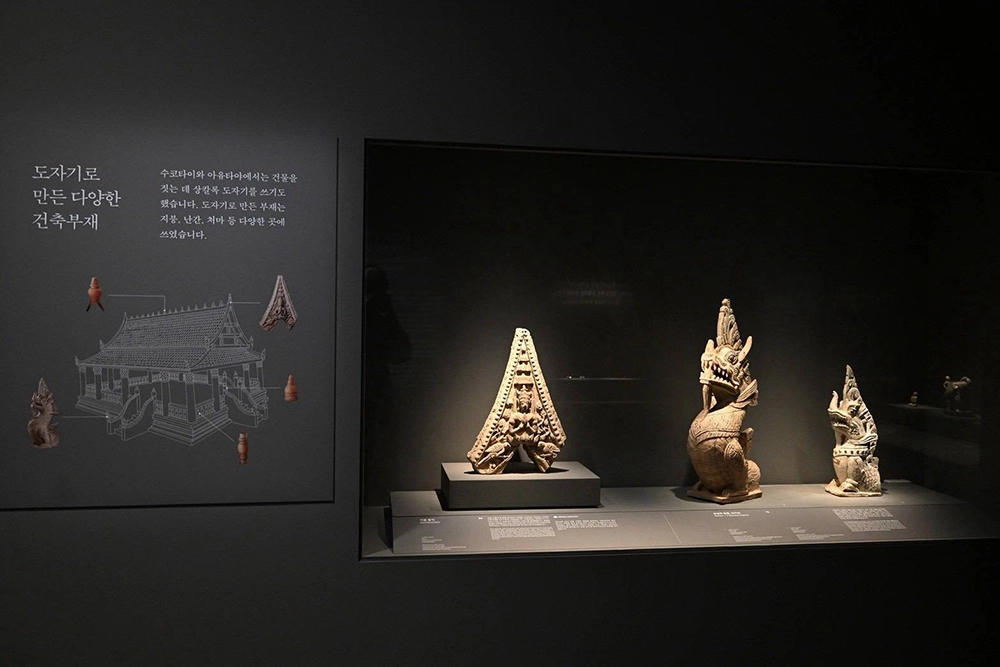
The exhibition arrives at a moment when museums across Asia are placing greater emphasis on regional histories rather than national narratives alone. Instead of presenting Thailand’s past in isolation, the galleries reveal the movement of artistic ideas across the Indian Ocean and mainland Southeast Asia, where merchants, monks and kingdoms exchanged not only goods but also religious beliefs, artistic techniques and architectural styles.
BANGKOK
A Stroll Through Song Wat
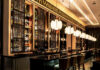
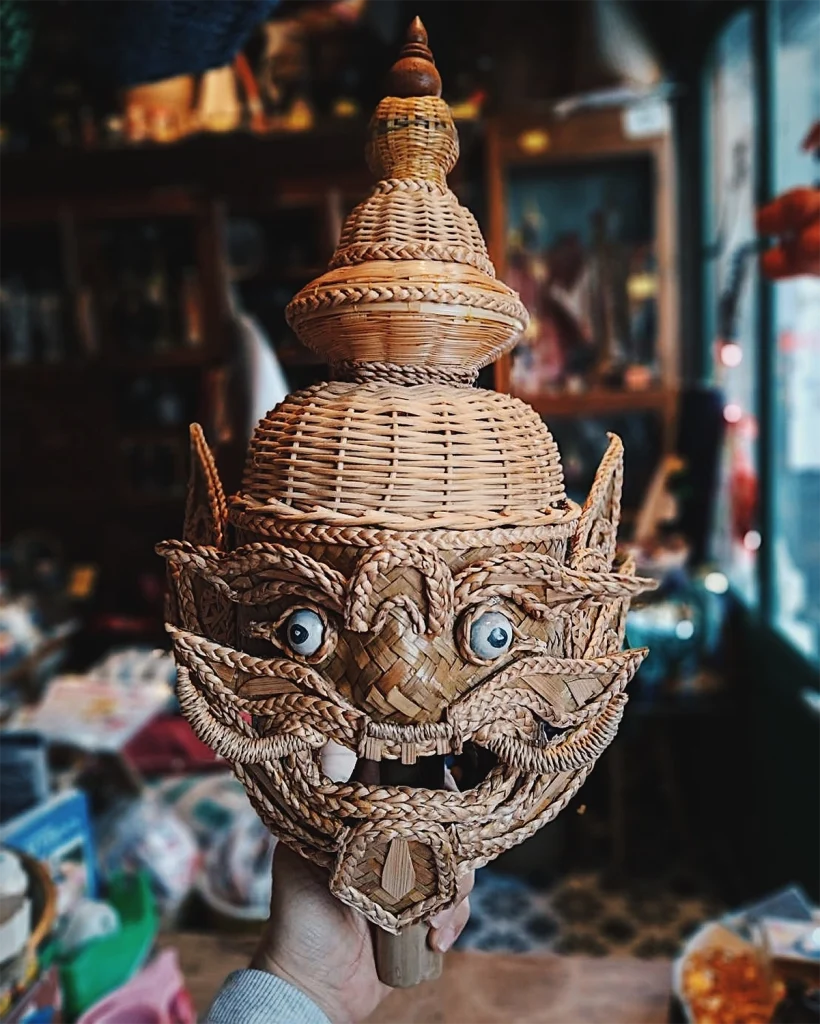
Hidden in Bangkok’s historic Chinatown, Song Wat Road is where the city’s trading past meets its creative present. Once lined with spice merchants, the riverside street has evolved into one of Bangkok’s most exciting neighbourhoods, where century-old warehouses now house galleries, cafés and design studios. Ancient shrines stand alongside Michelin-recognised restaurants and artisan coffee shops, creating a walkable district that celebrates both its rich heritage and a new generation of entrepreneurs.
>> Read more
During a visit to Seoul, Thailand’s Minister of Culture, Sabeeda Thaised, toured the exhibition while attending the 48th Session of the UNESCO World Heritage Committee in Busan. She also met with Professor Yoo Hong-jun, Director of the National Museum of Korea, to discuss museum management, exhibition practice and future cultural collaboration between the two countries.
The exhibition represents more than a temporary loan of precious objects. It reflects a broader partnership between Thailand’s Fine Arts Department and the National Museum of Korea under a bilateral memorandum of understanding that supports joint exhibitions, professional exchanges and museum development.
For Korean audiences, the exhibition offers an opportunity to encounter masterpieces that rarely travel overseas.
For Thailand, it is a reminder that some of its greatest cultural ambassadors are not contemporary icons or tourist landmarks, but ancient sculptures, sacred carvings and devotional works that continue to illuminate the history of one of Asia’s oldest artistic traditions.