

Just 30 minutes by train south of Chiang Mai, Lamphun feels like a quiet counterpoint to northern Thailand’s tourism capital. Tour buses rarely stop here. The streets stay calm. And that, increasingly, is the appeal.
One of Thailand’s oldest cities, Lamphun was founded more than 1,300 years ago by Queen Chammathewi as the capital of the Hariphunchai Kingdom. History runs deep here, but the city doesn’t feel frozen in time. Instead, Lamphun carries its past lightly. Ancient temples sit beside coffee shops. Wooden shophouses shelter design studios and galleries. Tradition survives not as nostalgia, but as something still lived.
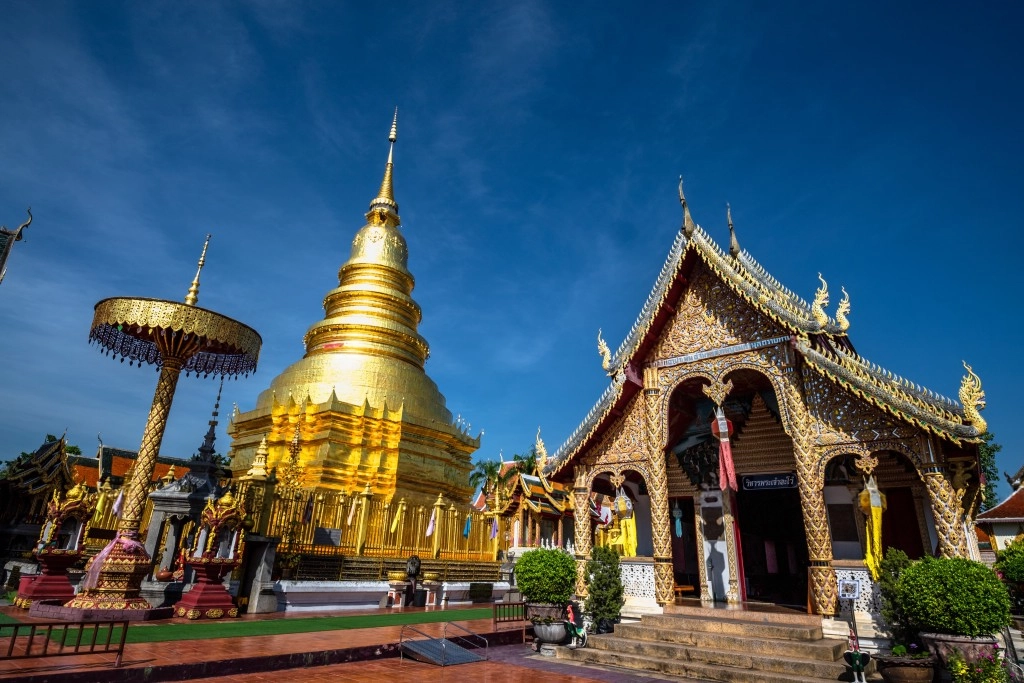
At the center of it all stands Wat Phra That Hariphunchai, the city’s spiritual heart and one of northern Thailand’s most revered pilgrimage sites. Its golden chedi rises above the old town, catching the harsh midday sun in flashes of gold. The temple itself is a layered archive of Mon, Dvaravati and Lanna influences, each era leaving its mark in brick, stucco and ornament. Come early, before the heat settles in, and you’ll find locals making merit in near silence, broken only by the low clang of temple bells drifting through narrow lanes.
Lamphun rewards wandering. Its historic core is compact, walkable and refreshingly low-rise—a world away from Chiang Mai’s growing sprawl. Around the old moat, restored shophouses now hold cafés, art corners and small community-run spaces. Near the temple, The Temple House pairs excellent coffee with rotating exhibitions inside a lovingly restored wooden home, offering a glimpse of Lamphun’s quiet creative revival.
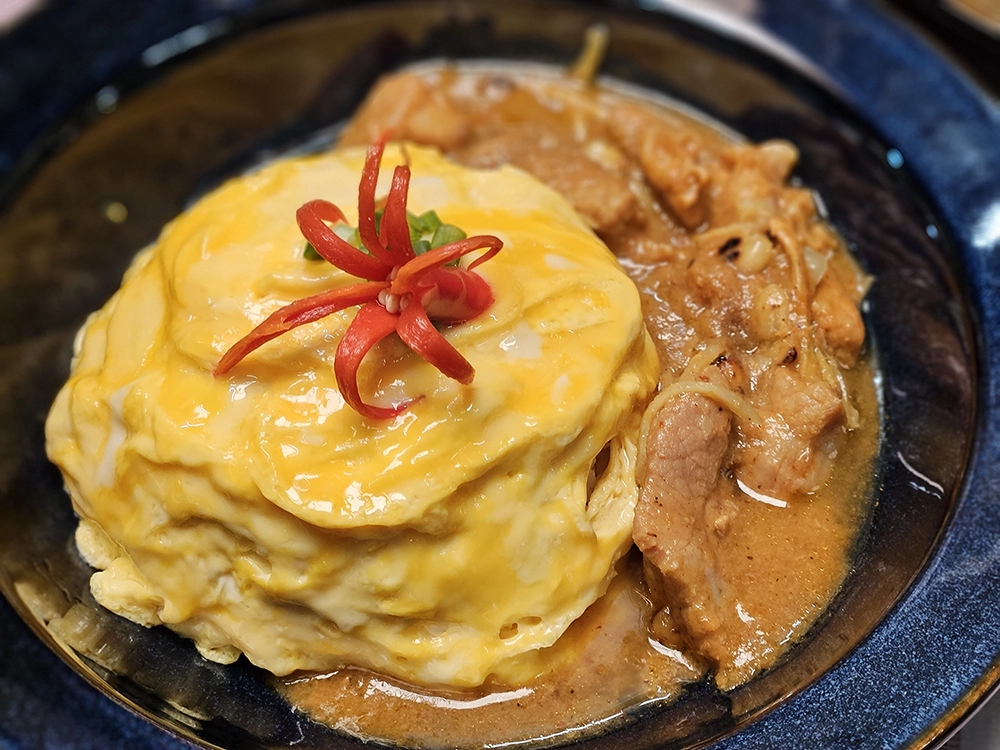
Food here is equally unpretentious and deeply satisfying. At Thailand Chicken Rice, locals queue for khao man gai—tender poached chicken over fragrant rice, served with a sharp, gingery dipping sauce. Nearby, AqBur Old Town occupies a 1950s wooden house with retro charm and a menu that leans playful. If available, order the soft-boiled egg hang lay curry rice, a dish that somehow feels both nostalgic and new.
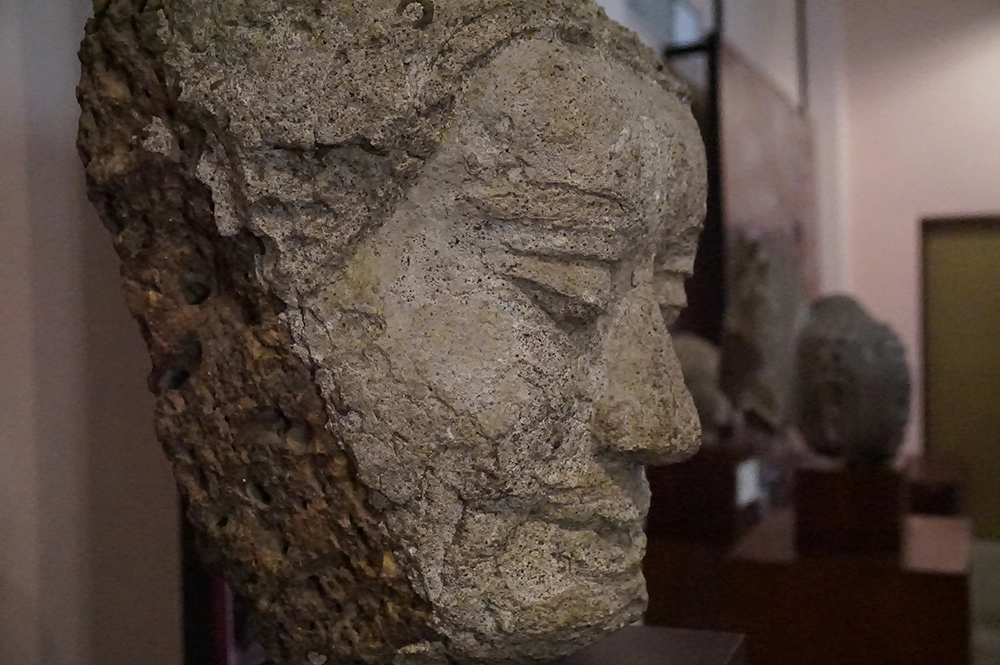
For a deeper sense of the city’s long memory, visit Hariphunchai National Museum. Small but thoughtfully curated, it traces Lamphun’s evolution from early Dvaravati culture to the Lanna period through sculpture, ceramics and sacred objects. Not far away, the Urban Lamphun Museum offers a more intimate portrait of everyday life, with black-and-white photographs, household tools and handwritten journals that feel less like museum pieces and more like family keepsakes.
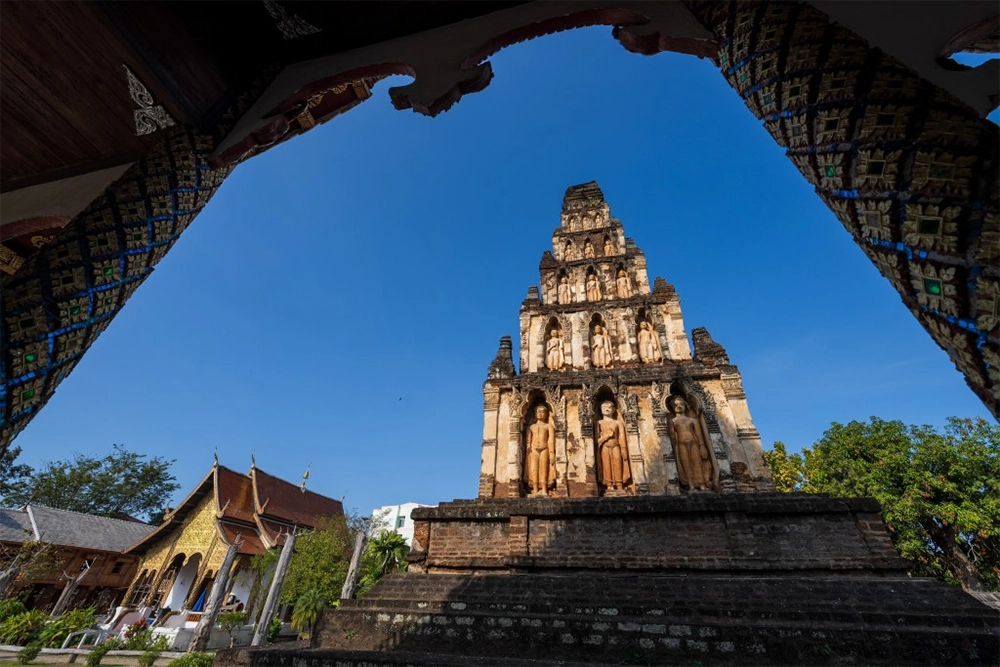
Then there is Wat Chammathewi, perhaps the city’s most atmospheric site. Believed to hold the remains of Queen Chammathewi, the temple is anchored by twin brick stupas adorned with rows of weather-softened Buddha figures. In the early morning light, the site feels almost otherworldly—quiet, austere and slightly haunting.
Beyond the town center, the landscape opens up. Wat Phra Phutthabat Tak Pha sits on a hillside overlooking the valley, a peaceful place known for a revered Buddha footprint and wide, calming views. Further south, Wat Phra Phutthabat Huai Tom serves as both spiritual anchor and cultural center for the Karen community, where faith and local identity remain tightly interwoven.
ARTS AND CULTURE
Chiang Mai: The Art of Making at Sanggadee Space
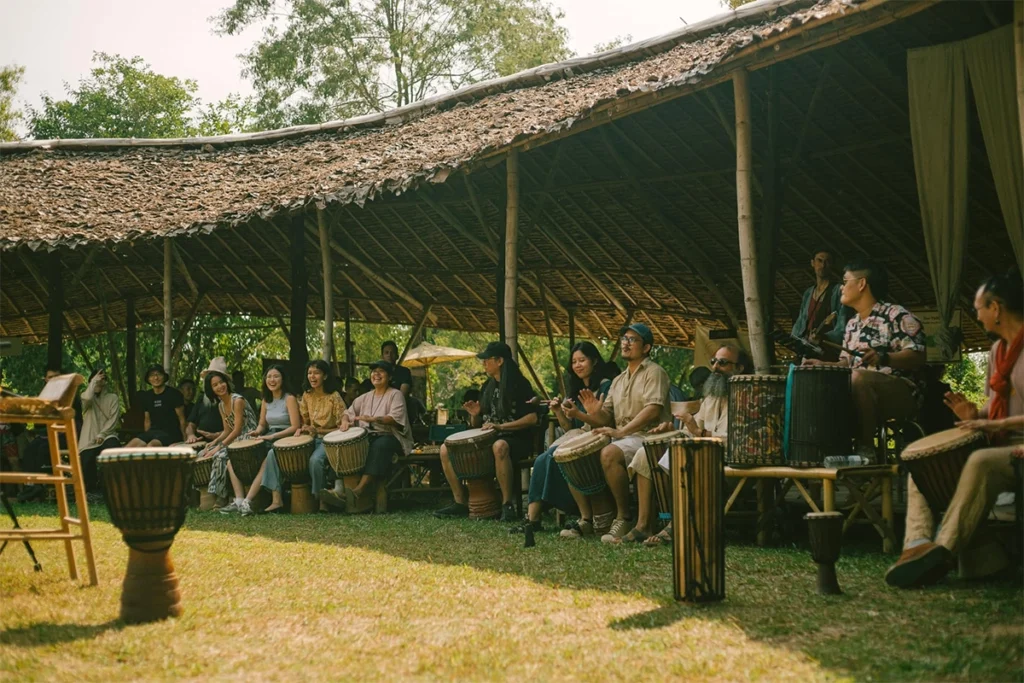
A short drive from Chiang Mai, past weaving villages and rice fields, lies Sanggadee Space, a creative sanctuary in San Kamphaeng district. Neither museum nor conventional market, it is a living, breathing ecosystem where traditional crafts, ecological mindfulness, and community converge.
>> Read more
Lamphun’s heritage is perhaps most tangible in its textiles. At the Yok Dok Lamphun Thai Cloth Centre, visitors can watch artisans weave intricate yok dok silk using techniques passed down through generations. The rhythmic clack of looms is constant, almost meditative. For a deeper look, head to Ban Nong Ngueak, a weaving village where cotton is still spun, dyed and woven largely by hand.
While Chiang Mai continues to absorb the spotlight, Lamphun quietly offers something increasingly rare: space to slow down. Here, the pleasures are subtle—a frangipani scent drifting past a stupa, silk sliding through a loom, a shopkeeper eager to explain their craft.
Lamphun is not a place built for checklist tourism. It is a place for lingering, for noticing—and for discovering that sometimes the most rewarding journeys happen just beyond the places everyone already knows.






[…] >> Read more […]
Comments are closed.