

With Chinese arrivals climbing again, Thailand is rolling out travel deals, cultural events and new itineraries in hopes of turning a holiday rush into longer stays.
For Thailand’s tourism industry, China’s coming Golden Week is more than a holiday on the calendar. It is an important test of how strongly one of the country’s most valuable visitor markets is returning — and whether a weeklong surge can be stretched into a longer travel season.
Thailand expects about 250,000 Chinese visitors between September 25 and October 7, a 24 percent increase from the same period last year, according to the Tourism Authority of Thailand. Those travellers are forecast to generate about 11.5 billion baht, or roughly $360 million, in tourism revenue, an increase of 37 percent.
The figures arrive amid a broader recovery. From January 1 through September 10, Thailand received 3.64 million visitors from China, making it the country’s largest source of international tourists.
Now tourism officials are trying to build on that momentum.
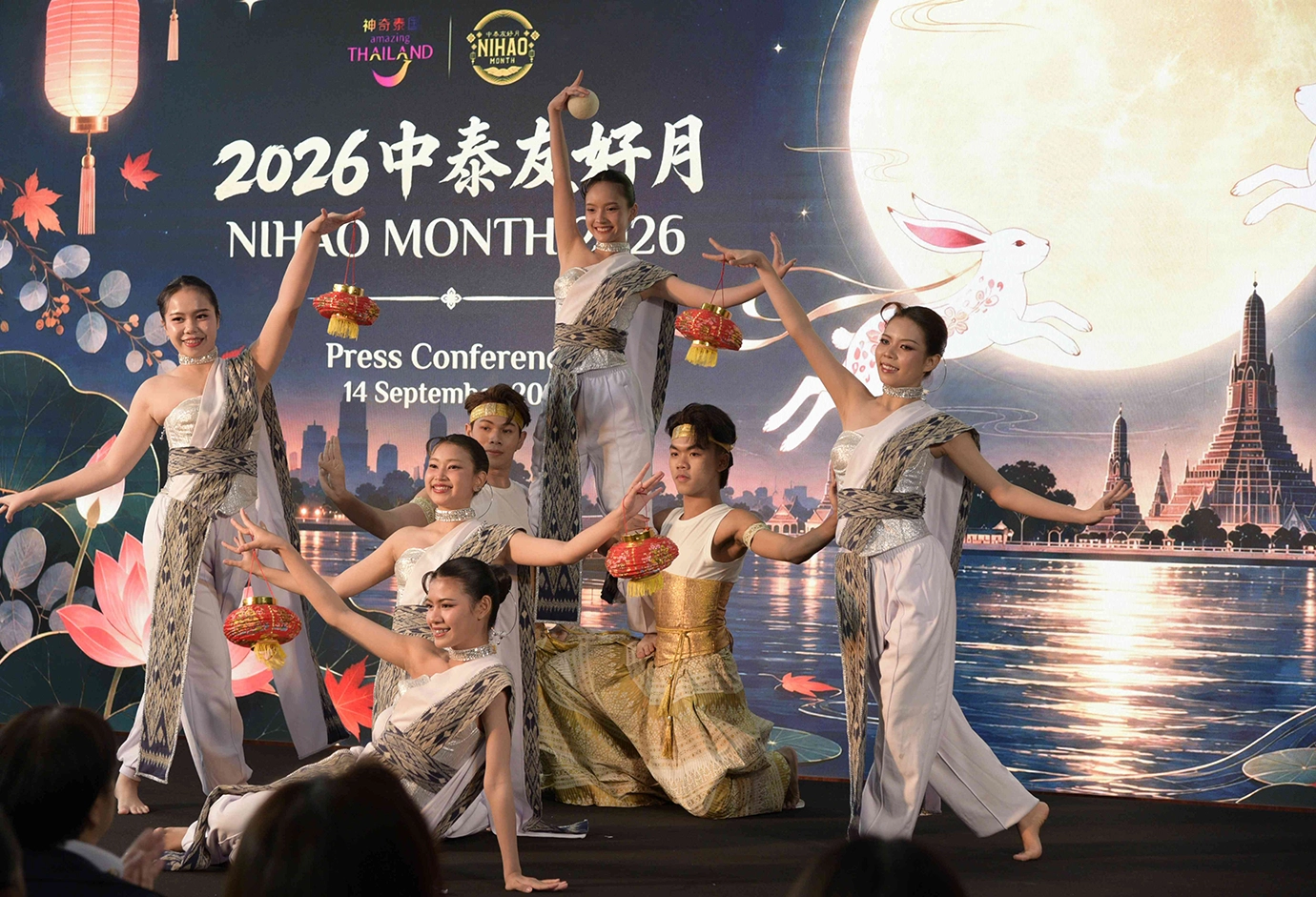
On Monday, the authority introduced Nihao Month 2026, a campaign timed around the Mid-Autumn Festival and China’s National Day holiday. It combines discounts, cultural celebrations, influencer trips and shopping privileges, but its ambitions extend beyond the autumn holidays: Thailand hopes to keep Chinese travellers coming through the low season and into Chinese New Year in early 2027.
One part of that effort is aimed squarely at travellers planning their trips on their phones. From September 15 through October 31, the tourism authority is working with Meituan, the Chinese digital platform, on hotel and travel promotions. Its location-based services will direct visitors to nearby restaurants, shops, hotels and attractions and allow them to book some attraction tickets in real time.
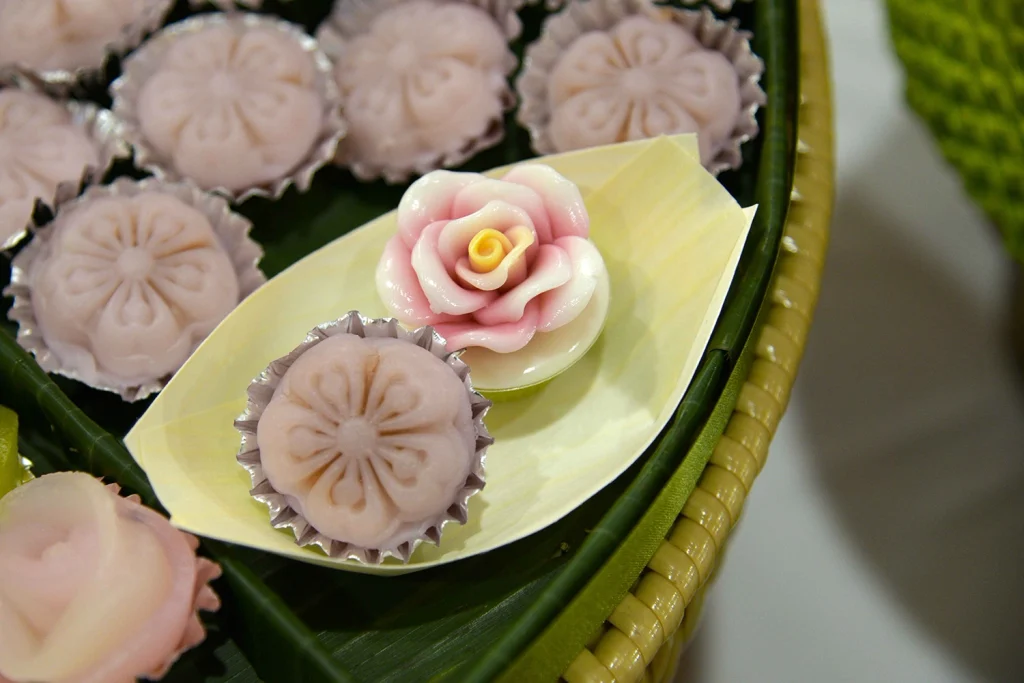
Food is part of the pitch, too, with Thailand’s dining scene promoted through the Black Pearl Restaurant Guide and Chinese social-media personalities.

WILDLIFE
A Morning Among the Deer
An hour beyond the last petrol station in Chaiyaphum Province, the road begins to climb. Villages thin out, trees press closer and the air through the open window grows noticeably cooler. The bends come one after another as the road winds higher into the forested mountains of northeastern Thailand.
>> Read more
But the campaign also reflects an attempt to broaden what a trip to Thailand might look like.
From September 26 to 29, several dozen Chinese journalists and influencers will be sent beyond the most familiar tourism circuits on four itineraries built around the theme “Healing is a New Luxury.” They include gastronomy in Phetchaburi and Prachuap Khiri Khan, wellness-oriented travel in Chiang Rai, nature in Krabi and a coastal escape through Rayong and Ko Samet.
A Mid-Autumn Festival celebration at One Bangkok on September 25 will add a cultural component, with mooncake making, lantern decorating, Chinese calligraphy and workshops highlighting ties between the two countries.
Chinese passport holders will also receive promotions from participating retailers, wellness businesses, transport companies and other services through October 31.
Behind the promotions is a potentially more significant shift: Chinese travellers may simply have more time to travel.
The tourism authority pointed to a growing “three days off for 13 days” holiday strategy, in which travellers combine public holidays with a few days of leave to create a much longer break. TAT says the trend could push the average trip from eight days to 13.
That matters for destinations hoping visitors will venture beyond Bangkok, Phuket and other established stops.
Early indicators are encouraging. Advance bookings for Thailand in October are up 16 percent, while flight searches have risen 24 percent, according to TAT, with increased interest from Shanghai, Guangzhou, Chengdu, Hangzhou and Chongqing.
For Thailand, the question is no longer simply how many Chinese travellers arrive for Golden Week. It is whether they stay longer, travel farther — and decide to come back.