
In a city where omakase counters and sake bars continue to multiply, it takes something unusual to stand out. Later this month, Akira Back Bangkok will offer precisely that: a dinner built around one of Japan’s oldest and most exacting sake-making traditions.
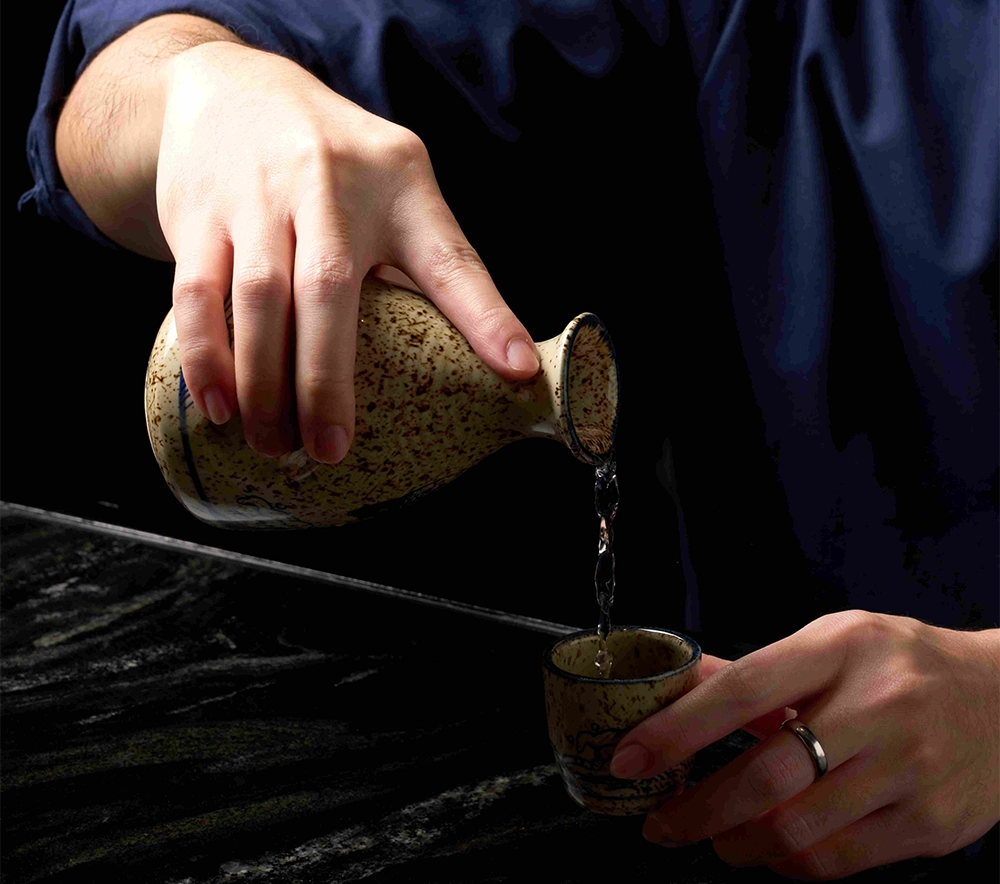
On June 26, the restaurant will host The Art of Kimoto, a six-course dinner paired with sake from Kurosawa Brewery, a brewery in Nagano that has been producing sake since 1858 using the kimoto method, a laborious premodern technique that few breweries still practice today.
Kimoto brewing is slow by design. Unlike modern sake production, which often uses added lactic acid to speed fermentation, kimoto relies on naturally cultivating lactic acid through careful manual preparation. The process demands patience and precision, but rewards both with structure, depth and complexity — sake that often carries a fuller body, bright acidity and savory nuance.
That layered character forms the backbone of the evening.
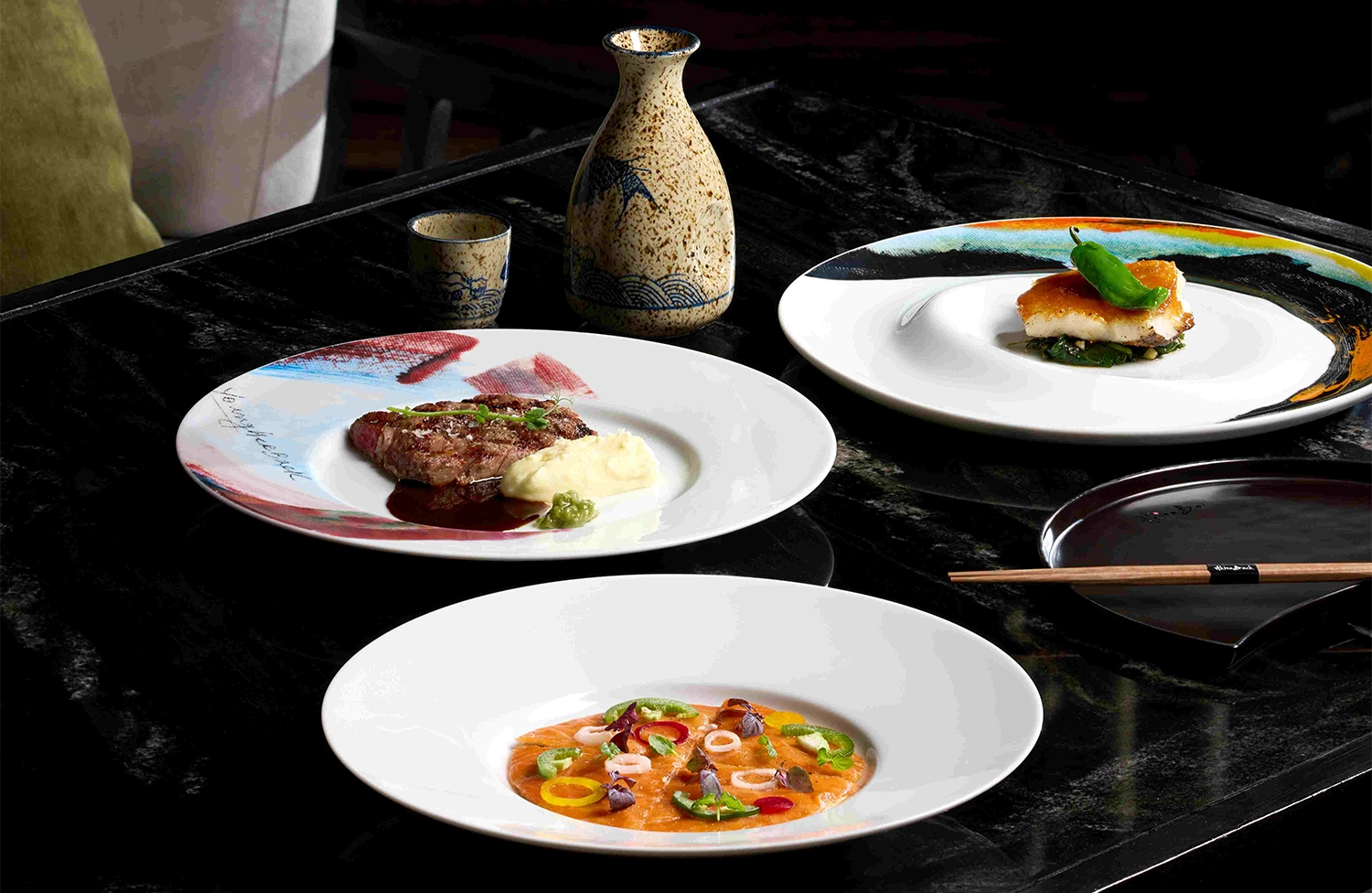
The meal opens with one of chef Akira Back’s signature dishes, Salmon Pizza, a crisp flatbread topped with fresh salmon, jalapeño, white truffle oil and aioli. It is paired with Maruto Junmai Kimoto Light, a sake whose restrained elegance allows the dish’s richness to remain in balance.
Next comes Domi, a dish of red snapper accented with orange tobiko and chojang, the Korean fermented sauce that lends gentle heat and sweetness. Paired with Maruto Junmai Kimoto, the course highlights the interplay between clean seafood flavors and the deeper umami notes characteristic of kimoto sake.
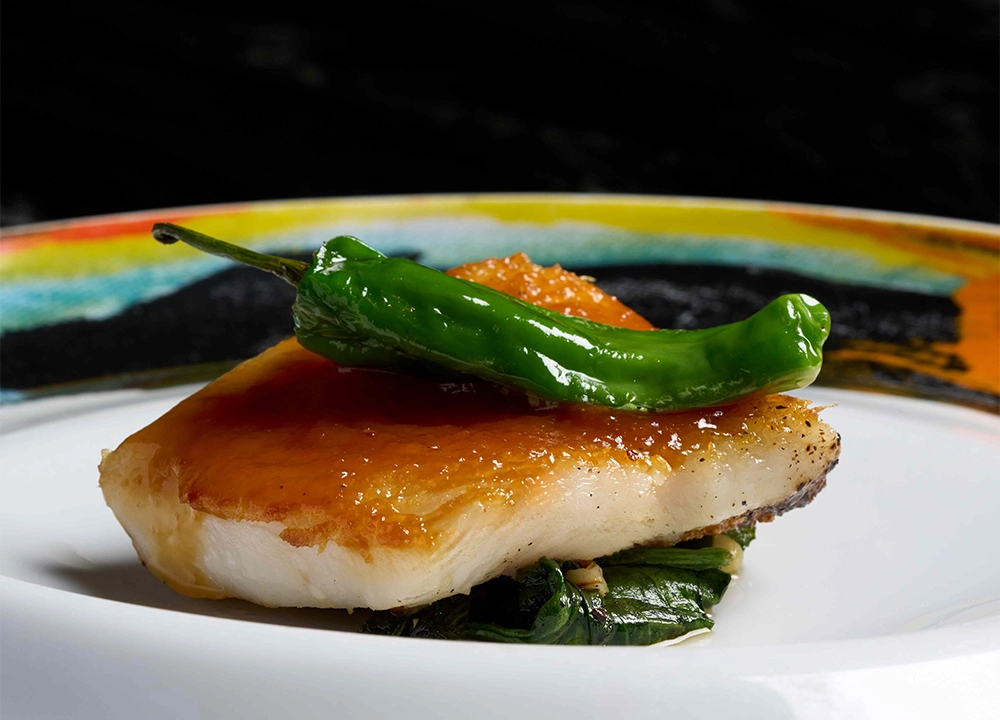
Seafood continues to anchor the middle of the menu. Hotate no Yaki presents seared scallops with asparagus, coriander and yuzu beurre blanc — bright, citrusy and delicately rich — alongside Maruto Natural, a fresher, livelier expression of the brewery’s style. The following course, Miso Halibut, leans into comfort and depth, pairing buttery fish with sautéed spinach and shishito peppers, supported by a softly cloudy Usu-Nigori Nama sake.

THAILAND’S SOUTH
A Tranquil Retreat by Songkhla Lake
Set along the tranquil shores of Songkhla Lake in southern Thailand, Pak Pra Village offers a quiet escape into the heart of Phatthalung. Best known for its dramatic giant lift nets stretching across the water, the village invites travelers to experience a serene landscape shaped by centuries-old fishing traditions and striking natural beauty.
>> Read more
The evening builds toward its richest course: Kagoshima A5 Ribeye, served with mashed potato, kizami wasabi and beef jus. With its dense marbling and pronounced fat, the wagyu demands a sake with equal character. Here, the pairing is Maruto Junmai Kimoto Kinmon Wine Barrel Aged, whose oak-influenced notes add another dimension to the beef.
Dessert arrives in playful form with Akira Back’s signature AB Cigar, served with chocolate cinnamon ice cream and Maruto Junmai Kimoto Daiginjo Saku 1, offering a clean, polished finish.
More than a pairing dinner, The Art of Kimoto offers a rare look at how tradition evolves. In the hands of a historic brewery and a contemporary kitchen, centuries-old craft feels less like nostalgia and more like something very much alive.