
Some places win you over immediately. Others take their time. Lampang, in northern Thailand, belongs firmly to the second camp.
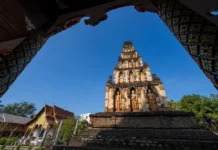
On a first visit, it can seem like a place of familiar northern landmarks: old teak houses, horse-drawn carriages, a sacred pagoda and the Wang River slipping quietly through town. Quieter than Chiang Mai and largely free of its neighbour’s tourist buzz, Lampang feels more like somewhere to live than somewhere demanding to be visited.
Come back, though, and the province begins to reveal itself differently.
Start with something tactile. At Earth & Fire Ceramics, clay offers an unexpected introduction to Lampang’s creative side. Part studio, part gallery, the space invites visitors to sit at a potter’s wheel and work alongside local artisans.
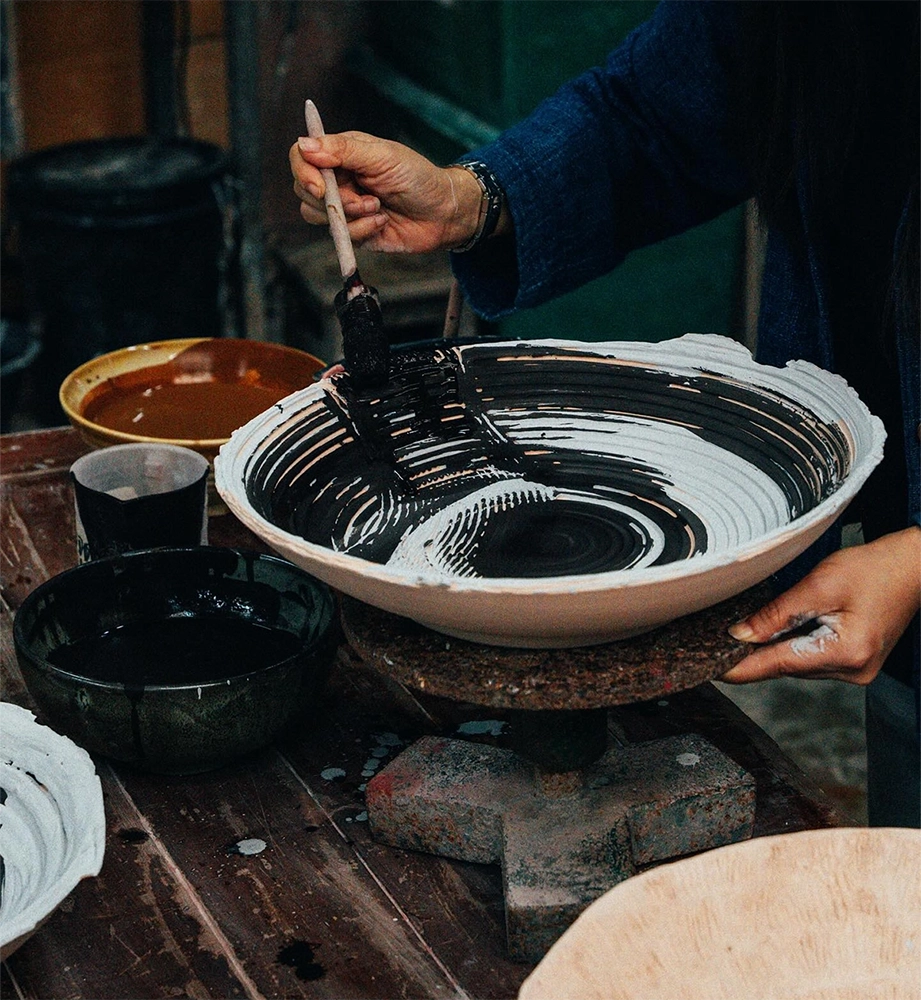
The clay is cool and yielding between your fingers, and before long the concentration required to keep it centred becomes strangely absorbing. You stop rushing. The room seems quieter. What eventually emerges — bowl, cup or charmingly uneven object — matters less than the pleasure of making it.
It’s messy, meditative and a reminder that Lampang has long been one of Thailand’s great ceramic centres.
That same attention to craft carries over to lunch at Taan Clean, overlooking the Wang River. Despite its health-conscious premise, there’s nothing austere about the food. Plates arrive bright with seasonal vegetables, herbs and ingredients sourced from farms and small producers around Lampang, alongside house-fermented elements that add depth and character.
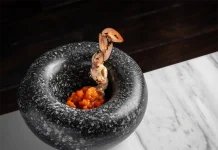
The cooking moves easily between contemporary ideas and northern Thai flavours. Melon and egg soup, slowly cooked over charcoal, is delicate but surprisingly complex; stir-fried Malabar spinach with roasted pork and chilli paste heads in the opposite direction, rich with smoke and a lingering kick of heat.
The dining room is understated and calm. Like much of Lampang, it doesn’t appear interested in showing off.
After lunch, leave the lowlands behind and follow the road into the mountains to Ban Pa Miang, a small village tucked into a forested valley.
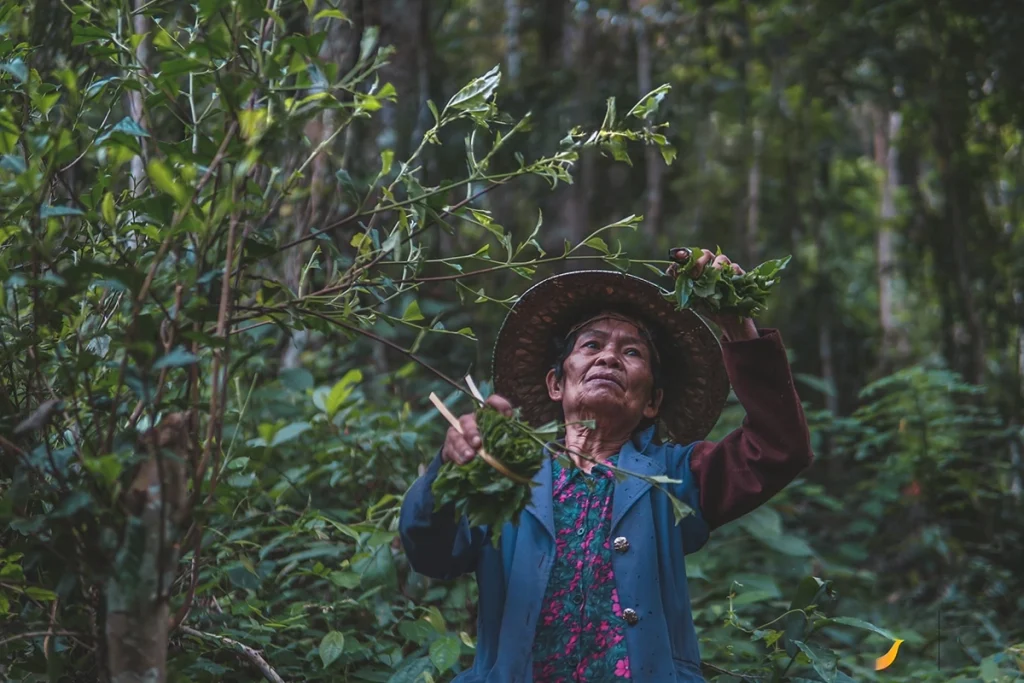
Life here has long revolved around miang, fermented tea leaves once widely chewed across northern Thailand. Tea shapes more than the local diet: its cultivation and fermentation have helped determine the rhythms of work, family and community life.
Mornings begin on forest paths, picking leaves while mist still hangs between the trees. Afternoons are slower — checking the fermentation, wandering through the village or stopping to talk with residents, perhaps while negotiating an uncertain friendship with a local dog.
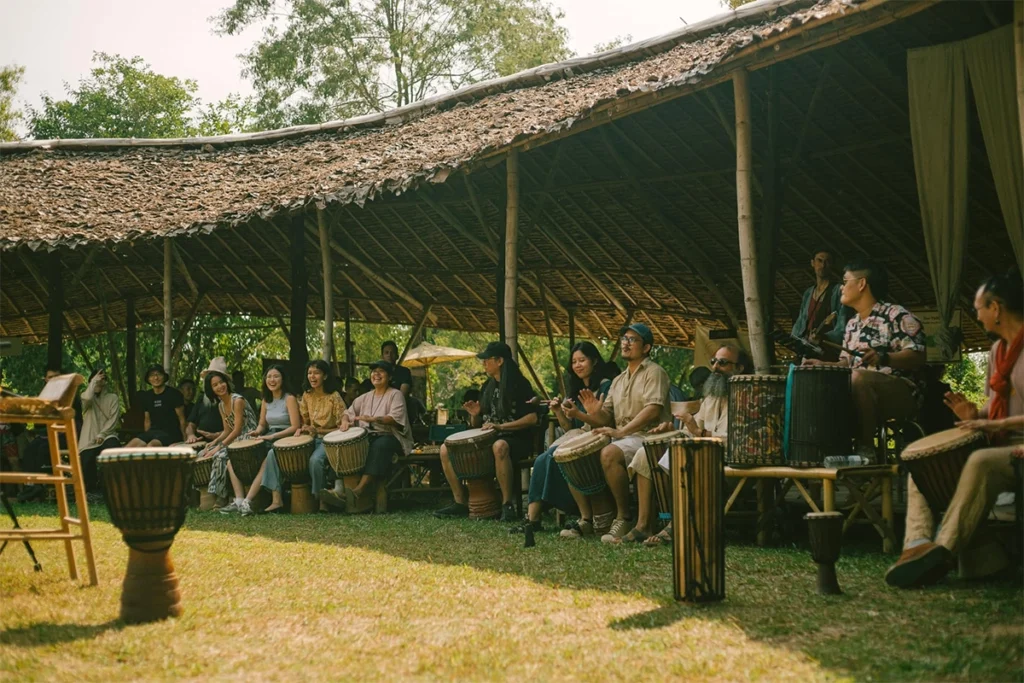
CHIANG MAI VISIT
Chiang Mai: The Art of Making at Sanggadee Space
A short drive from Chiang Mai, past weaving villages and rice fields, lies Sanggadee Space, a creative sanctuary in San Kamphaeng district. Neither museum nor conventional market, it is a living, breathing ecosystem where traditional crafts, ecological mindfulness, and community converge.
>> Read more
Coffee has also found a home on these slopes. Grown and roasted around Ban Pa Miang, it can be light and floral, tasting distinctly of the cool mountain environment in which it grows.
Stay overnight and the village becomes more than a day-trip destination. At Khon Bon Doi Homestay, wooden houses sit along the hillside above small creeks threading through the forest. There isn’t much of an agenda, and that’s precisely the point.
Conversations start and stop. Water murmurs somewhere below. Wind moves through the trees. Birds call from foliage dense enough to keep them hidden.
Morning arrives gently.
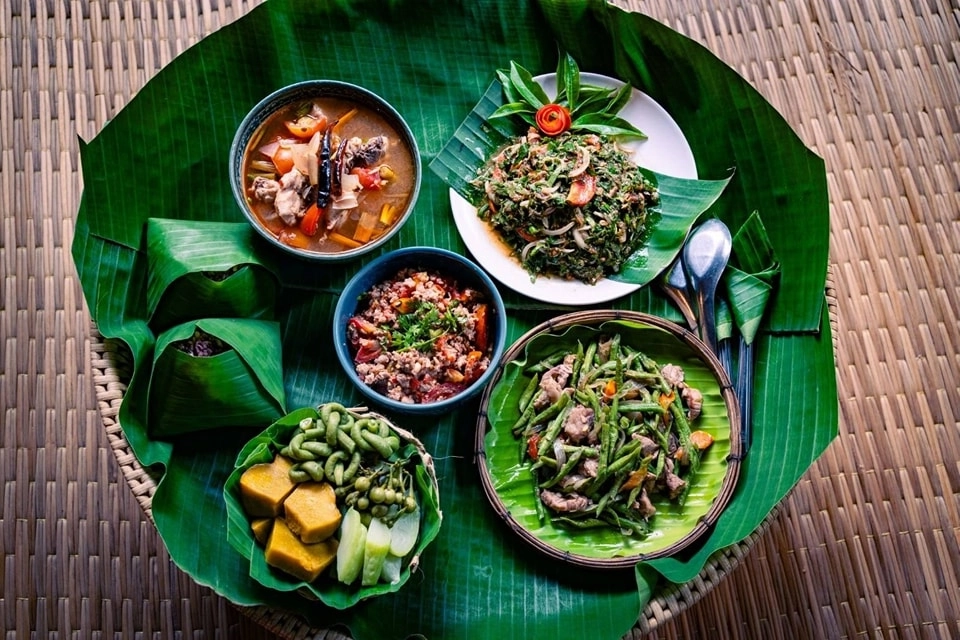
At Pa Miang Lampang Coffee, locally grown beans are brewed slowly, often by hand. Breakfast follows the same unhurried philosophy: tangy miang-leaf wraps, herbal pastes and simple local dishes that taste inseparable from the landscape around them.
Nothing feels particularly staged for visitors. You are simply borrowing the village’s morning for a while.
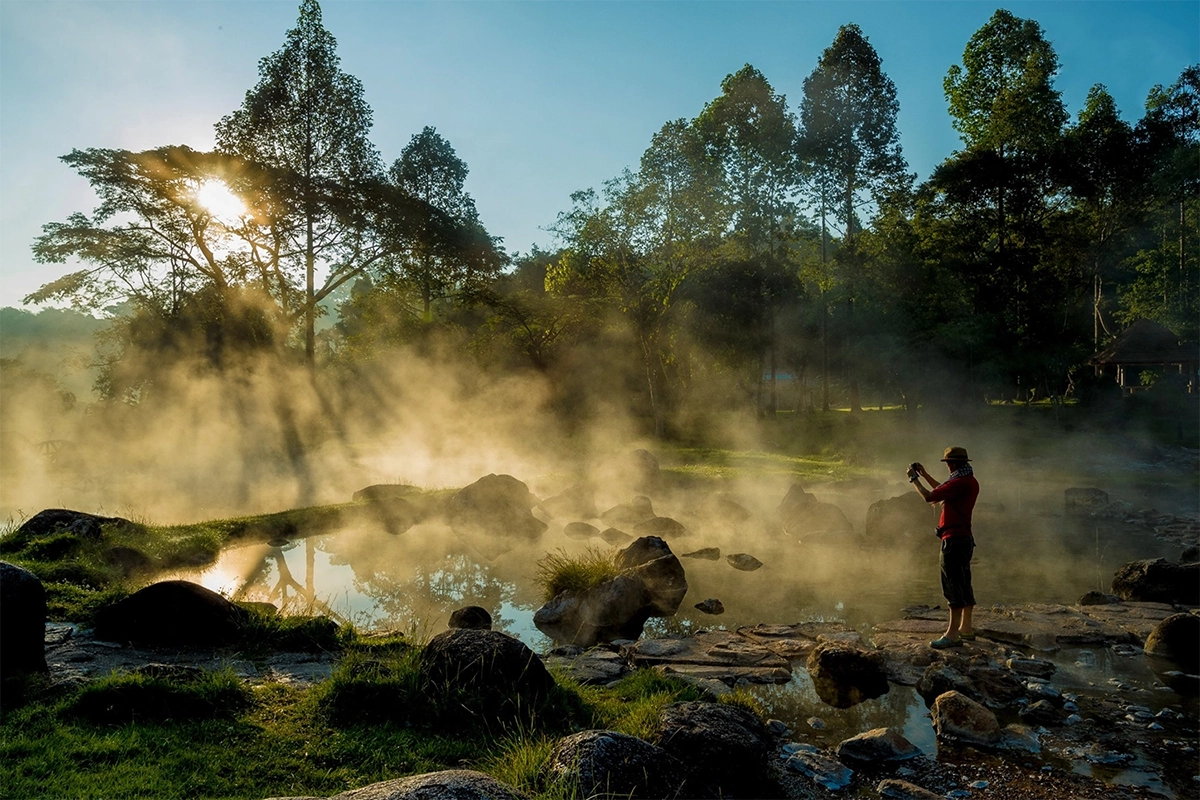
Back down from the mountains, water sets the pace at Chae Son National Park. Natural hot springs bubble from the earth here, their mineral-rich waters long used for soaking tired muscles and passing an idle hour.
There are no elaborate rituals required. Find a pool, lower yourself into the warm water and stay there until getting out begins to seem unnecessary.
Nearby, baskets of eggs are lowered into the springs to cook. Crack one open and the white is soft while the yolk turns luxuriously creamy. It’s a small pleasure, but a memorable one — everyday life making practical use of the landscape.
Back in Lampang city, the province’s history comes into sharper focus.
At Baan Phraya Suren by Madame Musur, an old residence has become a restaurant without entirely losing the atmosphere of a family home. Carved timber, ageing furniture and soft light give the rooms a sense of accumulated life rather than carefully manufactured nostalgia.
Nearby, Maung Ngoi Zin preserves another chapter of Lampang’s past. Once connected with the teak trade, the house reflects the cultural traffic that followed the industry: Burmese, Chinese and Western influences appearing in its architecture and details.
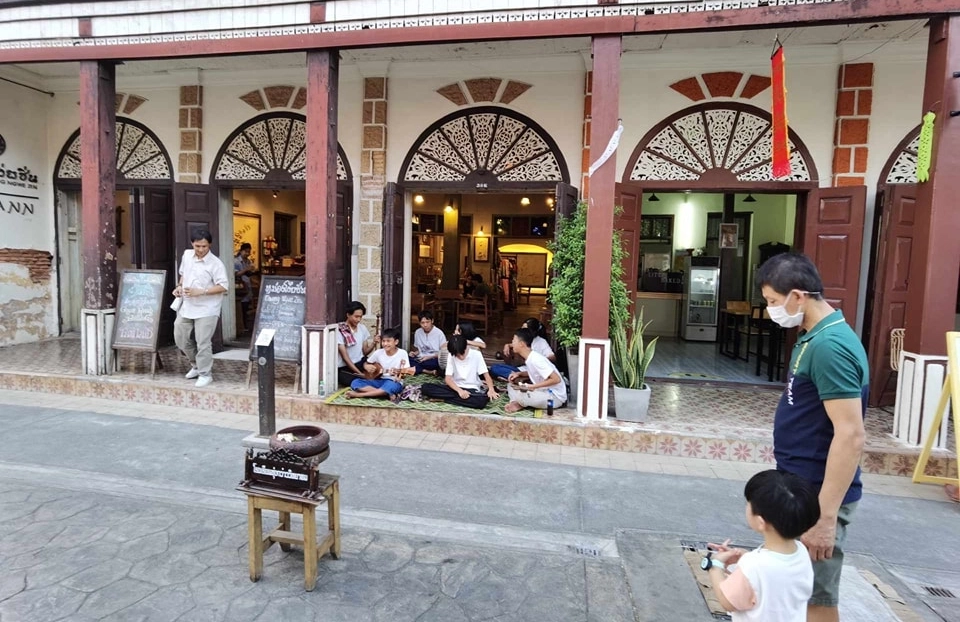
That mixture becomes even clearer around Kad Kong Ta, Lampang’s historic riverside quarter. During the day, the streets are quiet enough to study the old wooden houses and merchant buildings. Come evening, stalls appear, food starts sizzling and the neighbourhood shifts gear almost effortlessly.
Staying at Tha Ma-O Boutique Homestay keeps you close to this older side of town, in a neighbourhood where accommodation still feels connected to everyday life beyond its front door.
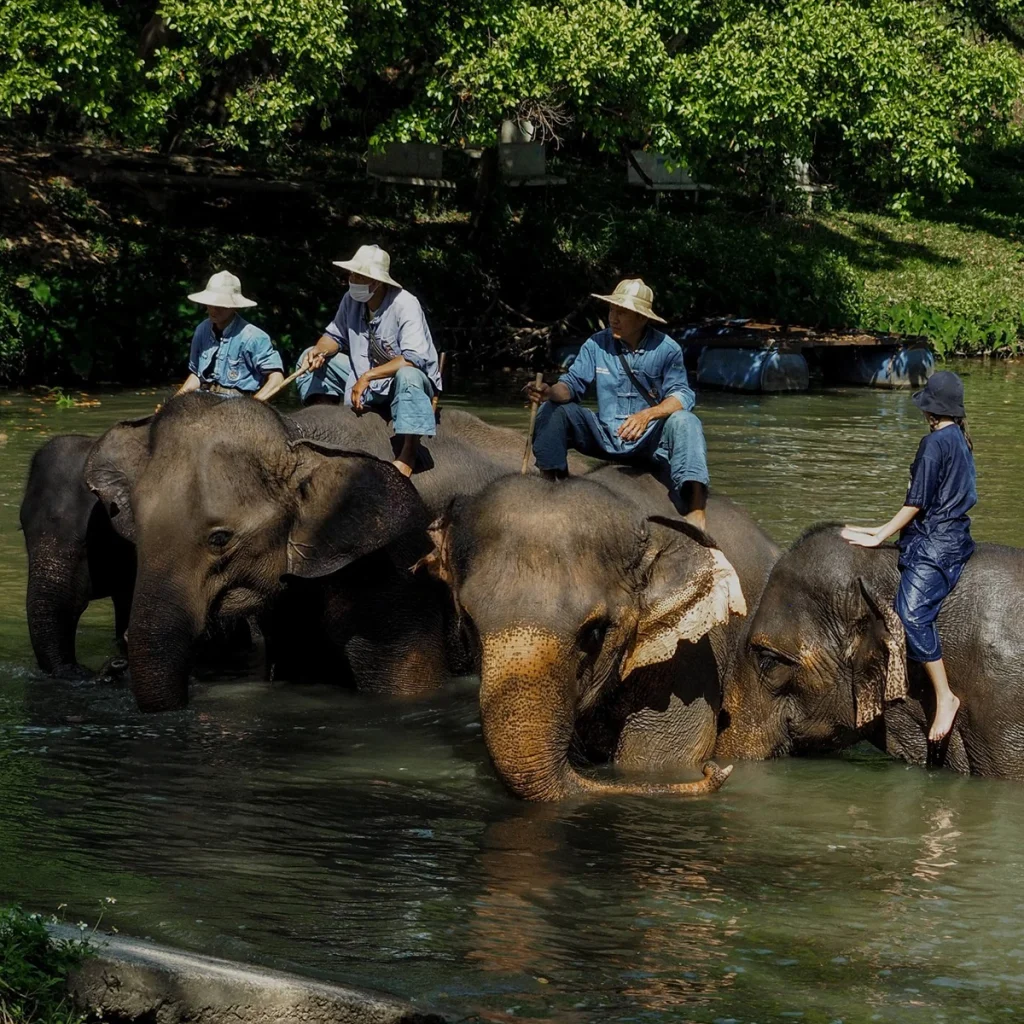
For the final morning, head out of town again to the Thai Elephant Conservation Center. Elephants have been entwined with Lampang’s history for generations, particularly through the teak industry. Today, the relationship is increasingly centred on husbandry, veterinary care and conservation.
It is a fitting final stop because Lampang rarely delivers its pleasures with a dramatic flourish.
Instead, the province works slowly: clay turning beneath your palms, tea leaves fermenting in a mountain village, eggs cooking in hot-spring water, coffee dripping into a cup, old timber houses glowing as evening settles over Kad Kong Ta.
Perhaps that’s why Lampang improves with a second visit. Once you’ve stopped looking for the big reveal, you begin noticing all the smaller reasons to stay.