

In Bhutan, where prayer flags trace the ridgelines and valleys unfold with a sense of quiet deliberation, Taj Hotels has opened two new resorts that reflect the kingdom’s enduring dialogue between landscape, culture and spirituality.
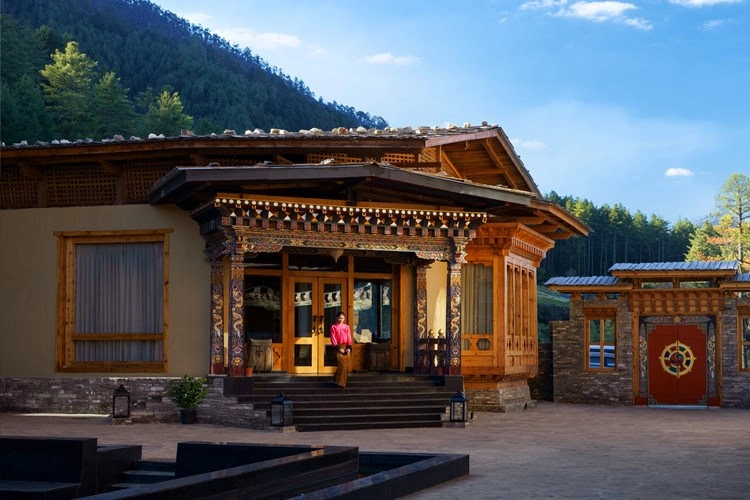
In the Paro Valley, Taj Paro Resort & Spa sits within sight of the revered Tiger’s Nest Monastery, its whitewashed walls and timbered structures drawing on Bhutanese architectural traditions. Built using local stone and reclaimed wood, the 45-key property feels grounded in its setting, rather than imposed upon it. From its vantage point, the monastery appears and disappears with the mountain light, a constant yet shifting presence.
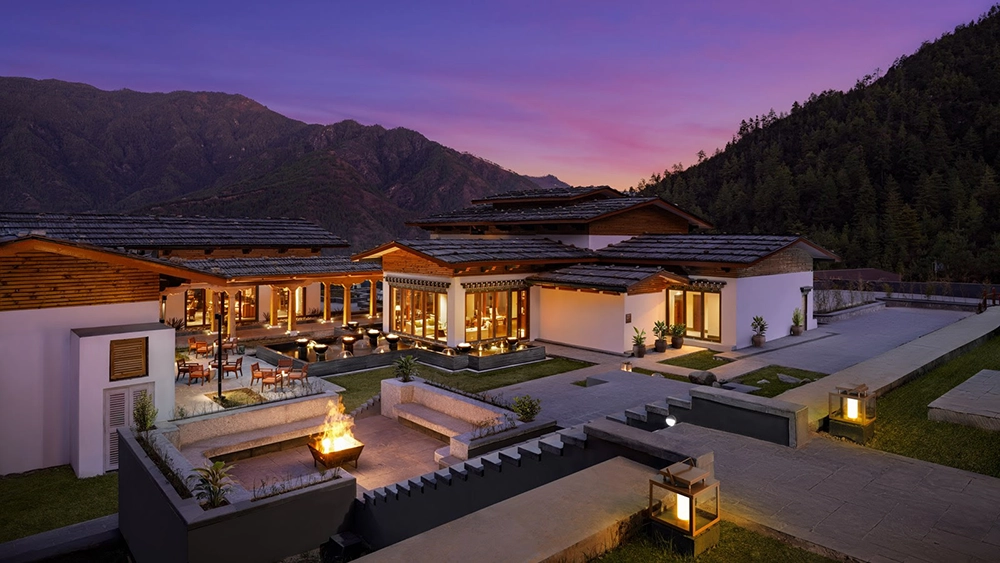
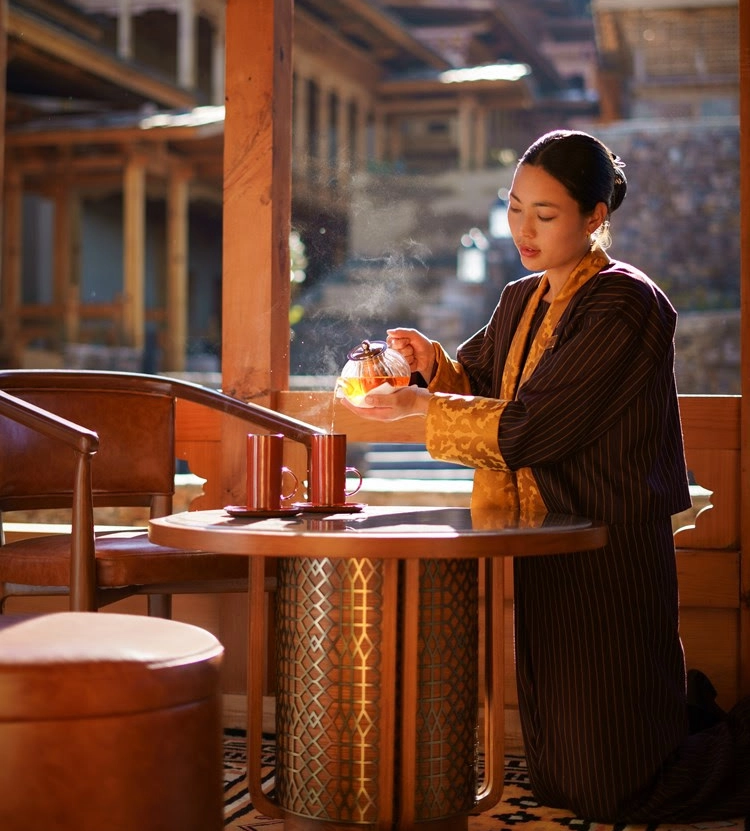
The resort’s spaces unfold with a similar sense of restraint. At its dining room, views stretch across the valley towards forested slopes, while menus move between Bhutanese flavours and broader regional influences. Elsewhere, a dedicated experience centre offers small-scale encounters with local culture, from stupa-making to traditional tea rituals—practices that favour participation over performance.
Across the Black Mountains, in the glacial valley of Phobjikha, Taj Gangtey Resort & Spa takes a quieter approach still. The 35-key retreat is set on an elevated site to minimise its impact on the valley floor, a known habitat of the endangered black-necked crane. Inside, warm timber interiors and wide windows draw the outside in, framing a landscape that shifts subtly with weather and season.
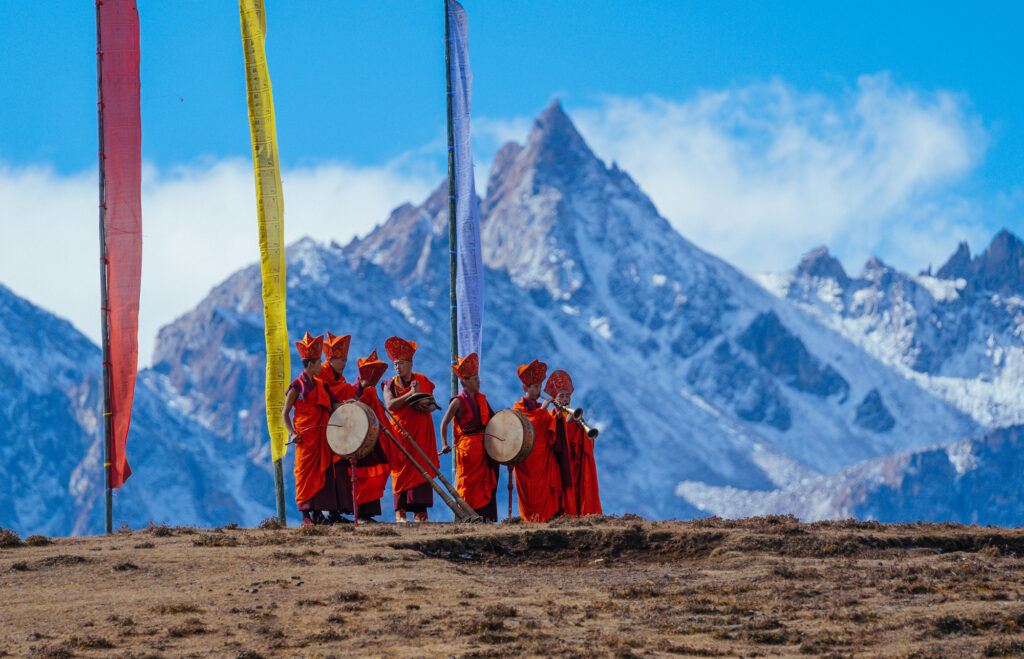
Experiences here lean into the rhythms of the valley. Guests may find themselves learning cheese-making techniques from nearby villagers, walking forest trails with local guides or joining monks for moments of stillness. The intention is not to curate spectacle, but to allow for a slower form of engagement with place.
Wellness across both properties is shaped by this same philosophy. At the heart of each is the J Wellness Circle, where treatments combine elements of Indian Ayurveda with Bhutanese healing traditions. The hot stone bath—prepared with river stones heated over fire and infused with herbs—remains one of the most enduring rituals, valued as much for its cultural roots as for its restorative qualities.
BHUTAN
Bhutan slashes tourism levy to unlock the last Himalayan kingdom
Bhutan sharpens its appeal to international travellers by halving its daily Sustainable Development Fee to USD 100 per person, down from USD 200, in a move by the Royal Government of Bhutan to revitalise tourism while maintaining its high-value, low-impact approach.
>> Read more
In a country that measures progress through Gross National Happiness, rather than economic output alone, such experiences resonate with a broader ethos. As travellers increasingly seek journeys that offer depth and perspective, Bhutan’s valleys continue to provide a setting where time is less compressed, and attention—whether to landscape, ritual or self—feels more deliberate.
With these two openings, Taj Hotels extends its footprint into a destination that resists excess, offering instead a more measured form of hospitality—one that listens closely to the land it inhabits.